
# We Bought Convenience. Somehow, We Ended Up With More Errands.
Before breakfast, you reset a password.
At lunch, you printed a return label for shoes that looked different online. The printer was out of paper. By late afternoon, a delivery app said the package had arrived, though the porch was empty. After dinner, you opened a chat window to cancel a subscription and spent twelve minutes explaining the word “cancel” to software designed not to understand it.
None of these tasks was difficult. Together, they consumed the loose edges of the day.
This is the strange bargain of modern convenience. Almost everything can be purchased, scheduled, streamed, delivered, renewed or managed without leaving home. The trip disappeared. The errand did not. It changed clothes and moved onto the kitchen table.
We no longer drive to the video store. We compare four streaming plans, remember which one carries the show, reset the password, approve a code on another device and make a note to cancel before the promotional rate ends.
We no longer spend Saturday shopping for one shirt. We order three sizes, open three boxes, keep one, repackage two and stand in line at a shipping counter the following Saturday.
Convenience did save time. Then it quietly assigned us new work.
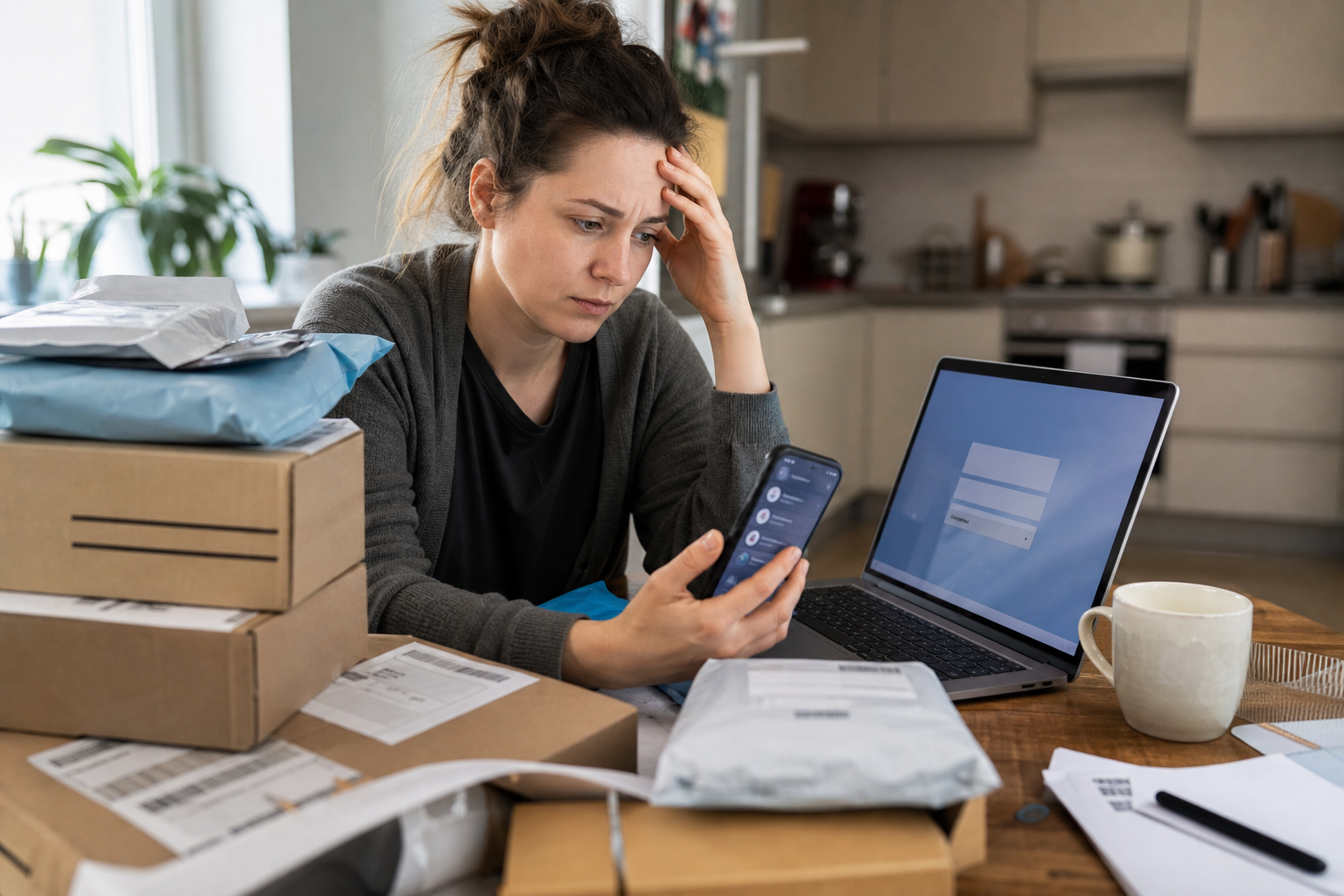
The customer became the back office
A traditional transaction divided the labor clearly. The store kept inventory, displayed products, processed payment and handled problems. The customer arrived, chose, paid and left.
Online commerce rearranged the roles.
We search the inventory. We compare specifications. We inspect reviews for fraud. We measure ourselves. We create the account, enter the payment, choose the shipping speed, track the box, photograph the damage and initiate the return. If something goes wrong, we gather evidence and present the case.
Most of this feels like control. Often it is. Nobody misses waiting for a store employee to check whether another size exists in the back.
But control and labor arrived in the same package.
Companies discovered that customers would perform administrative work in exchange for lower prices and around-the-clock access. Self-checkout made the exchange visible. Digital commerce spread it across the rest of life.
Airline passengers choose seats, tag bags and monitor gate changes. Bank customers deposit checks and investigate suspicious charges. Patients move medical records between portals. Travelers assemble hotel, flight, car and activity reservations into itineraries that can collapse when one company changes a time.
Every industry created a dashboard. Every dashboard needs a manager.
The manager is you.
Free returns created the return errand
The easy return made online shopping possible. Buying clothes without trying them on would feel reckless if the wrong size became permanent. Retailers removed the risk: order now, send it back free.
Consumers responded logically. They bought multiple sizes. They tested colors at home. They treated the bedroom like a fitting room and the credit card like temporary inventory financing.
Online returns now represent a significant share of e-commerce. The National Retail Federation estimated that nearly one in five online sales would be returned in 2025. Each return passes through a consumer’s home before it reenters the retail system—if it reenters at all.
There is a box by the door in millions of homes. It is not trash and not property. It is a pending task.
First, find the email. Then open the return portal. Select a reason from choices that do not quite describe the problem. Decide whether the item needs packaging. Locate tape. Save the QR code. Check which shipping location accepts it. Make the trip before the window closes.
The process may be free in dollars. It is not free in attention.
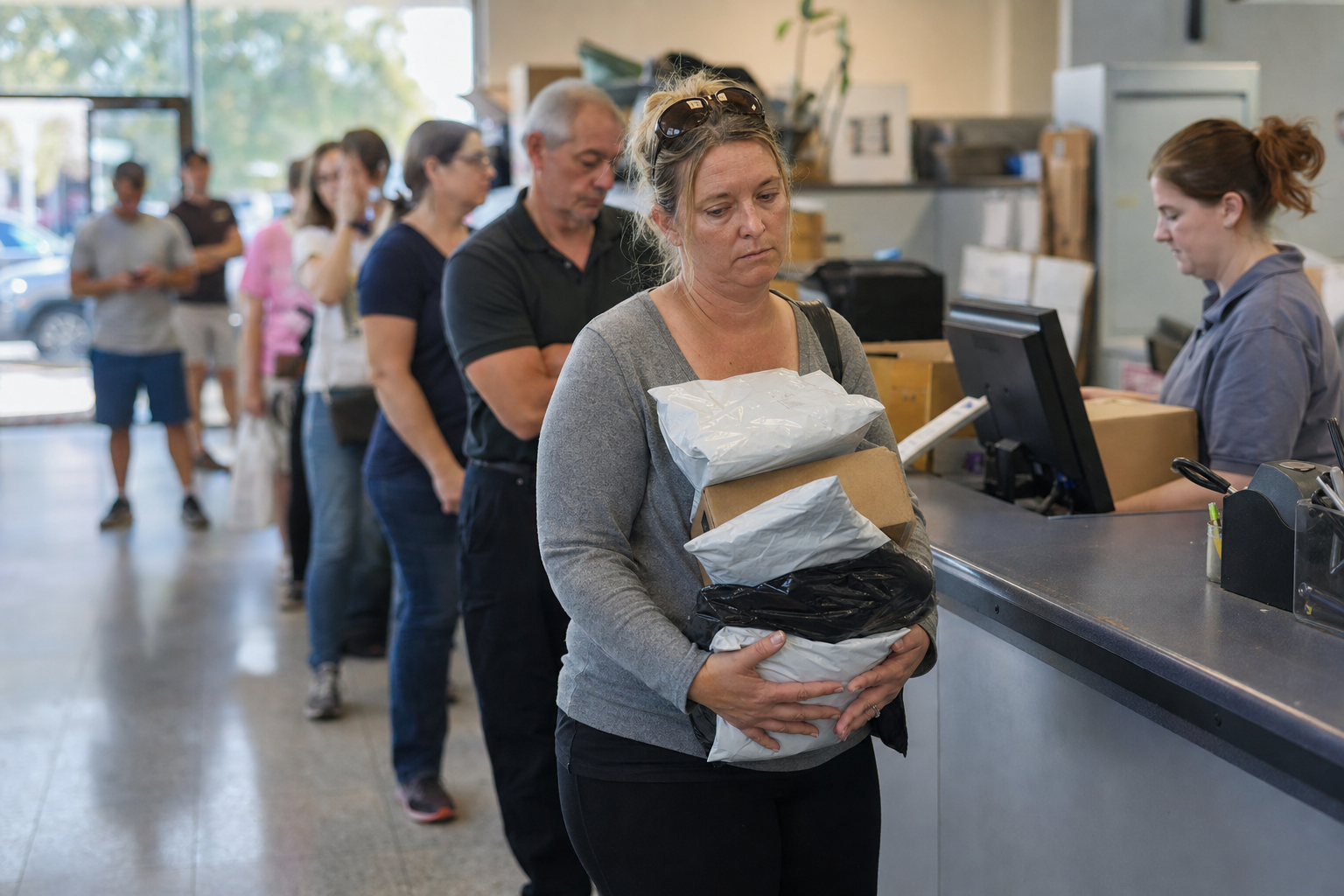
Retailers have started tightening return policies because the system is expensive and vulnerable to fraud. Fees appear. Windows shorten. Some items become final sale. Customers complain because “easy returns” no longer feels like a policy; it feels like part of the product they bought.
Both sides are trapped by the convenience they created together.
Subscriptions turned ownership into calendar maintenance
A subscription used to be a magazine arriving once a month.
Now software, television, music, storage, fitness, groceries, pet food, security cameras, vehicle features and toothbrush heads can arrive on recurring charges. The appeal is obvious: decide once, receive forever.
The problem is that forever changes price.
A free trial becomes a paid plan. An introductory rate expires. A service adds advertisements, then sells another tier to remove them. A credit card expires and the service finds the updated number through an account updater. A subscription nobody remembers using continues quietly because forgetting is part of the revenue model.
Managing subscriptions has become seasonal household maintenance. People scroll through bank statements hunting for small charges. They rotate streaming services based on which show has returned. They cancel, rejoin, bundle, unbundle and discover that the bundle costs less only if they want all four things inside it.
The entertainment itself may be effortless. Maintaining access resembles bookkeeping.
Subscription fatigue is often described as a money problem. It is also a memory problem. The customer must remember what was agreed to, when the agreement changes and where the cancellation button moved.
Convenience is supposed to reduce decisions. Recurring services postpone the decision and return it later with a deadline.
The package does not end the shopping trip
Home delivery replaced a journey with a chain of notifications.
Order confirmed. Preparing shipment. Shipped. Delayed. Out for delivery. Delivery attempted. Delivered.
The customer follows the package through each stage because the front porch is now part of the logistics network. Someone needs to bring the box inside, check whether the correct item arrived, break down the cardboard and determine whether the photograph in the delivery email shows this house or a neighbor’s.
When the system works, the result feels miraculous. Something needed in the morning appears by evening.
When it fails, the consumer becomes an investigator.
Check the porch. Check the side door. Ask the neighbor. Compare the delivery photo. Contact the seller, who says contact the carrier. Contact the carrier, who says the seller must file the claim. Wait to see whether the box appears tomorrow. Reorder if the item was urgent, then return the duplicate if the original arrives.
The old errand was driving to a store.
The new errand can happen without standing up, which makes it harder to explain why it feels exhausting.
Customer service became an obstacle course with friendly punctuation
The chatbot says, “I’m happy to help!”
This is rarely true.
The bot has no feelings about helping. More important, it may have no authority to solve the problem. It identifies keywords, retrieves policy and offers articles the customer already found before opening the chat.
Type “representative” and it asks for more detail. Provide detail and it repeats the policy. Ask again for a person and it warns that wait times are longer than usual, a sentence that has survived every usual.

Self-service works beautifully for predictable problems. Resetting a password at midnight is better than waiting for business hours. Changing an address should not require a phone call. Tracking an order is faster than asking an employee to track it.
The frustration begins when a company replaces access to judgment with access to menus.
An unusual billing problem cannot select the right numbered option because the right option does not exist. The customer repeats the story to a bot, then an agent, then another department. Every handoff asks for the account number again.
Automation makes the company’s work cheaper. Repetition makes the customer’s work invisible.
Passwords are keys to rooms we did not know we owned
The average household has more accounts than any person could name from memory.
There is an account for the electric bill, the school lunch, the doctor, the pharmacy, the toll road, the airline, the insurance company, the grocery store and the device that controls the thermostat. Each has password rules. Some use phone numbers. Some use usernames created before email became the username. One still sends verification to an address you cannot access.
Security matters. Multi-factor authentication prevents real harm. Password managers and passkeys can reduce the burden.
But digital security also turned ordinary participation into credential maintenance.
A person caring for an aging parent may manage two complete digital lives. A parent may juggle school portals that do not communicate. After a death, families discover that the person who handled the bills also held the passwords, and “paperless” means there is no envelope arriving to reveal what exists.
The convenience of an account assumes a competent, connected user with a current phone, accessible email and enough time to recover the login.
Anyone outside that assumption meets the bureaucracy behind the clean interface.
The small tasks are difficult because they have no natural time
A dentist appointment occupies an hour on the calendar. A return does not. A password reset does not. Canceling a free trial does not.
These tasks live in the gaps.
They are done while water boils, during a meeting that does not require full attention, in the school pickup line, before sleep. Because no individual task deserves a scheduled block, all of them compete with rest.
The result is a distinctive kind of modern clutter: not objects, but open loops.
The package in the hallway. The notification badge. The form saved as a draft. The charge to investigate. The app requiring an update before it can display the boarding pass. The email flagged for later, where later has no date.
Productivity systems offer places to record the loops. They cannot make the loops stop arriving.
We buy tools to manage the work created by the tools we bought to reduce work.
Not every inconvenience is a design failure
Some friction protects people. A bank should not make it effortless to transfer a life savings to a stranger. A pharmacy should verify identity. A cancellation involving important coverage may deserve confirmation.
The goal cannot be a world in which every action happens with one tap. One tap is excellent for ordering something and terrifying for accidentally losing it.
The more useful distinction is between friction that protects the customer and friction that protects the business model.
A clear warning before deleting an account protects the customer. A hidden cancellation page protects recurring revenue. Identity verification before accessing medical records protects the customer. Requiring a phone call to end an online subscription protects the charge.
Consumers can feel the difference even when companies use the same word—security, policy, process—to describe both.
Good convenience does not eliminate effort by moving it out of sight. It reduces total effort for everyone involved.
The answer is not to do everything yourself
The fantasy response to digital overload is a complete retreat: shop locally, pay cash, own physical media, call humans, reject subscriptions, pick up every order.
That life contains errands too. Many of them take longer. Convenience remains valuable because time is valuable, especially for people with disabilities, caregivers, parents, rural residents and anyone whose schedule makes a store’s hours impossible.
The point is not that delivery failed or online shopping was a mistake.
The point is to count the whole transaction.
The purchase is not finished when the button is pressed. It is finished when the right object arrives, works, remains wanted and does not create another task. A service is not convenient because signup takes thirty seconds. It is convenient if changing or leaving it is equally clear.
The future of convenience should not be measured by how quickly a company can accept money. It should be measured by how little unpaid administration the relationship requires afterward.
We are tired from running tiny companies called households
Look at the kitchen table after a busy week.
A return box. A school form. A letter with a QR code. A device that needs to be paired again. A sticky note with a cancellation date. A package for the neighbor. A receipt kept in case the refund never appears.
This is not a failure of personal organization. It is the physical evidence of dozens of companies outsourcing the final mile of their processes to the home.
We wanted fewer errands. We got errands without travel, errands without store hours, errands we could perform in pajamas.
That sounded like freedom.
Some nights it is.
Other nights, the house is closed and the back office is still open.