# Philadelphia on July 4, 2026: How to Handle America 250 Crowds, Heat, and History
Philadelphia does not need much help feeling historic on the Fourth of July. The city already has Independence Hall, the Liberty Bell, Old City streets, red-brick buildings, museum steps, neighborhood block parties, and the kind of American history that tourists usually try to fit into a single long weekend.
But July 4, 2026 is not a normal holiday weekend. It is America’s 250th birthday, and Philadelphia is one of the places where that milestone feels the most literal. This is the city where the story gets pinned to a map. Add major concerts, fireworks, museum events, World Cup crowds, road closures, transit changes, and a dangerous summer heat wave, and you have a travel day that can be incredible if you plan it right — and miserable if you pretend it is just another Saturday.
The goal is not to scare you away. Philadelphia during America 250 may be one of the most memorable places in the country to be. The goal is to be honest about what the day asks from you: patience, water, comfortable shoes, flexible plans, and a willingness to trade a perfect checklist for a better actual day.
If you are heading into Philly for July 4, here is how to make the most of it without letting the crowds and heat run the show.
Start with the obvious: this is not the day to wing it
Some cities are forgiving when you show up with no plan. Philadelphia on July 4, 2026 is not one of them.
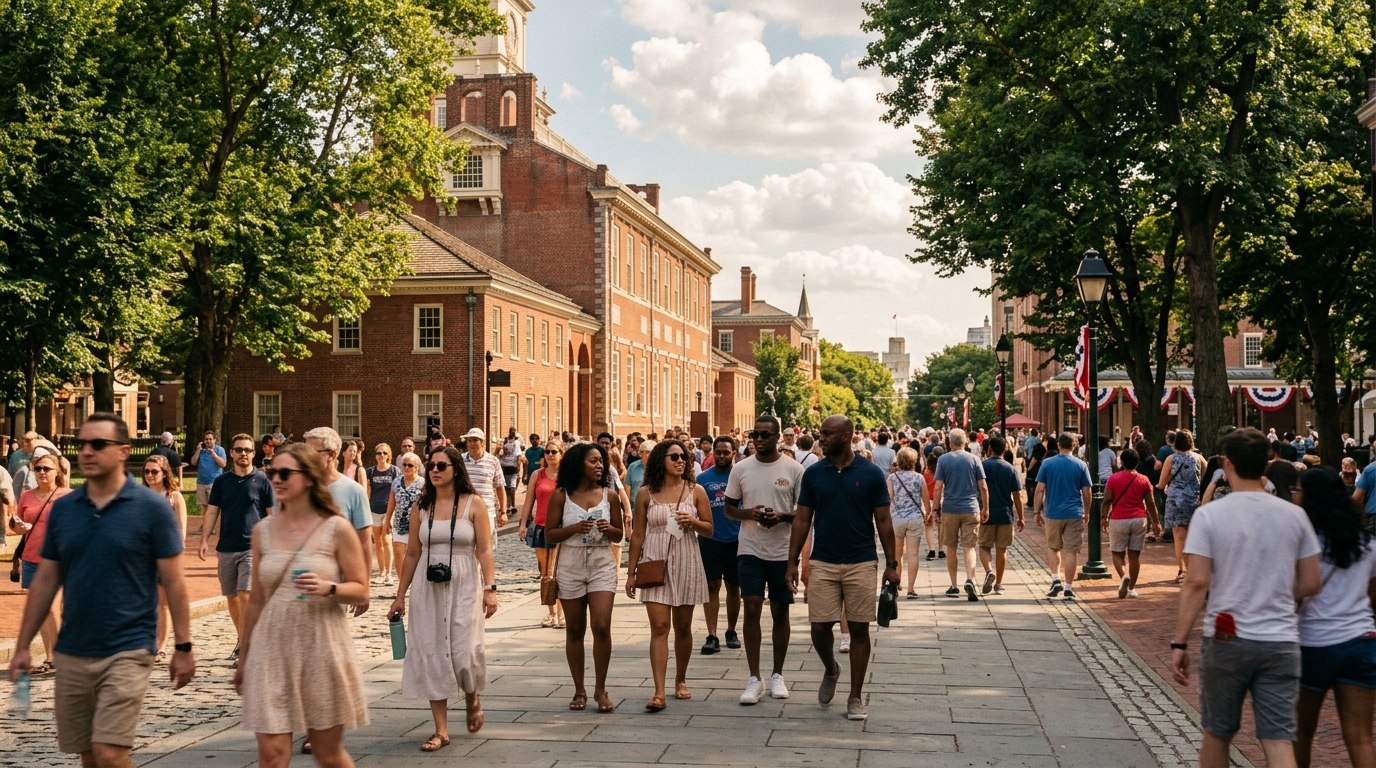
Between America 250 events, Wawa Welcome America programming, historic district crowds, Benjamin Franklin Parkway activity, fireworks, and World Cup-related events, the city is dealing with several versions of “big day” at the same time. That means security perimeters, road closures, packed sidewalks, limited parking, long lines, and last-minute changes if the weather becomes unsafe.
You do not need a minute-by-minute spreadsheet. In fact, that may make the day worse. But you do need a basic plan: where you are starting, how you are getting there, what your top priority is, where you will cool down, and how you will leave after the evening events.
Pick one main goal for the day. Maybe it is seeing Independence Hall and the Liberty Bell area. Maybe it is the Parkway concert and fireworks. Maybe it is a museum day with air-conditioning and history. Maybe it is the World Cup fan atmosphere. If you try to do all of it, the city may humble you before lunch.
Do the historic district early if it matters to you
If Independence Hall, the Liberty Bell, the National Constitution Center, or the Museum of the American Revolution are high on your list, go early. The historic district is always popular on July 4, and America 250 adds another layer of demand.
Early does not just mean better crowds. It also means better heat management. By afternoon, the combination of sun, pavement, humidity, and crowds can make even a short walk feel heavier than expected.
Check official hours, ticket requirements, security rules, and event schedules before you leave. Some sites may have special programming, altered access, or long wait times. Do not rely on a random social post or an old blog itinerary. This is one of those days where official sources matter.
Also, give yourself permission to experience the historic district without “completing” it. You can stand near Independence Hall, walk Old City, grab something cold, and still have a meaningful visit. History does not become more real because you exhausted yourself trying to see every plaque.
SEPTA is your friend, even if you usually prefer driving
Driving into Center City during a major July 4 celebration is usually a bad idea. In 2026, it is an especially bad idea. Road closures, security zones, parking restrictions, rideshare congestion, and post-fireworks traffic can turn a simple trip into a patience test.
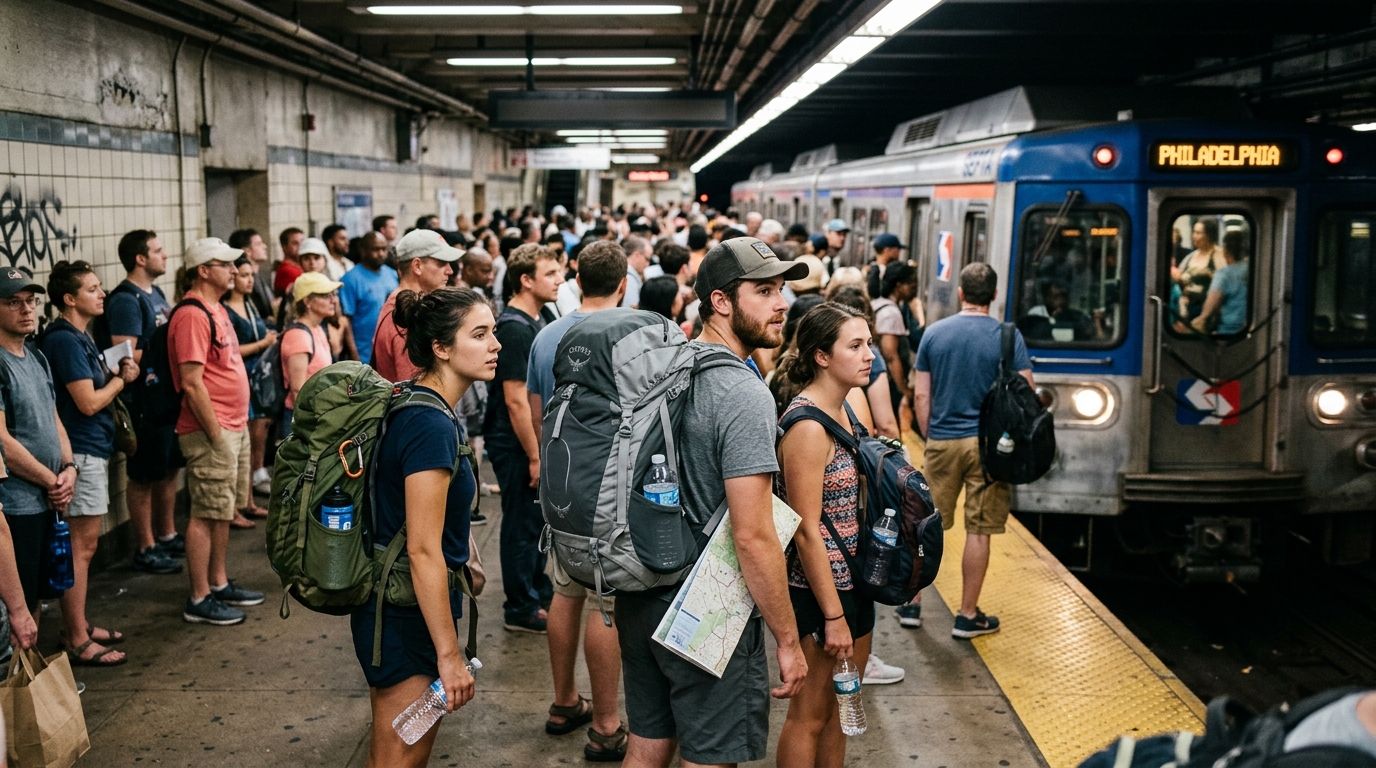
Use SEPTA if you can. The Market-Frankford Line, Broad Street Line, Regional Rail, buses, and trolleys can get you close to major parts of the city without the pain of hunting for parking. Transit may still be crowded. It may still require waiting. But it is usually better than sitting in traffic while the city closes streets around you.
Plan your route before you go. Check service alerts. Know your return route too, not just how you are arriving. After fireworks or large concerts, everyone tries to leave at once. If you are traveling with friends or family, pick a backup meeting spot in case cell service gets spotty or someone gets separated.
The best move is to treat transportation as part of the event, not an afterthought.
The heat is not a side note
A lot of visitors underestimate Philadelphia heat because they think of the city as Northeast, historic, walkable, manageable. Then July arrives and reminds everyone that brick, concrete, humidity, and crowds can turn the afternoon into a slow roast.
For America 250, heat safety is not optional. Extreme heat can change event schedules, cancel parades, slow transit, create medical emergencies, and make long outdoor waits dangerous. If officials are warning people to take the heat seriously, take the heat seriously.
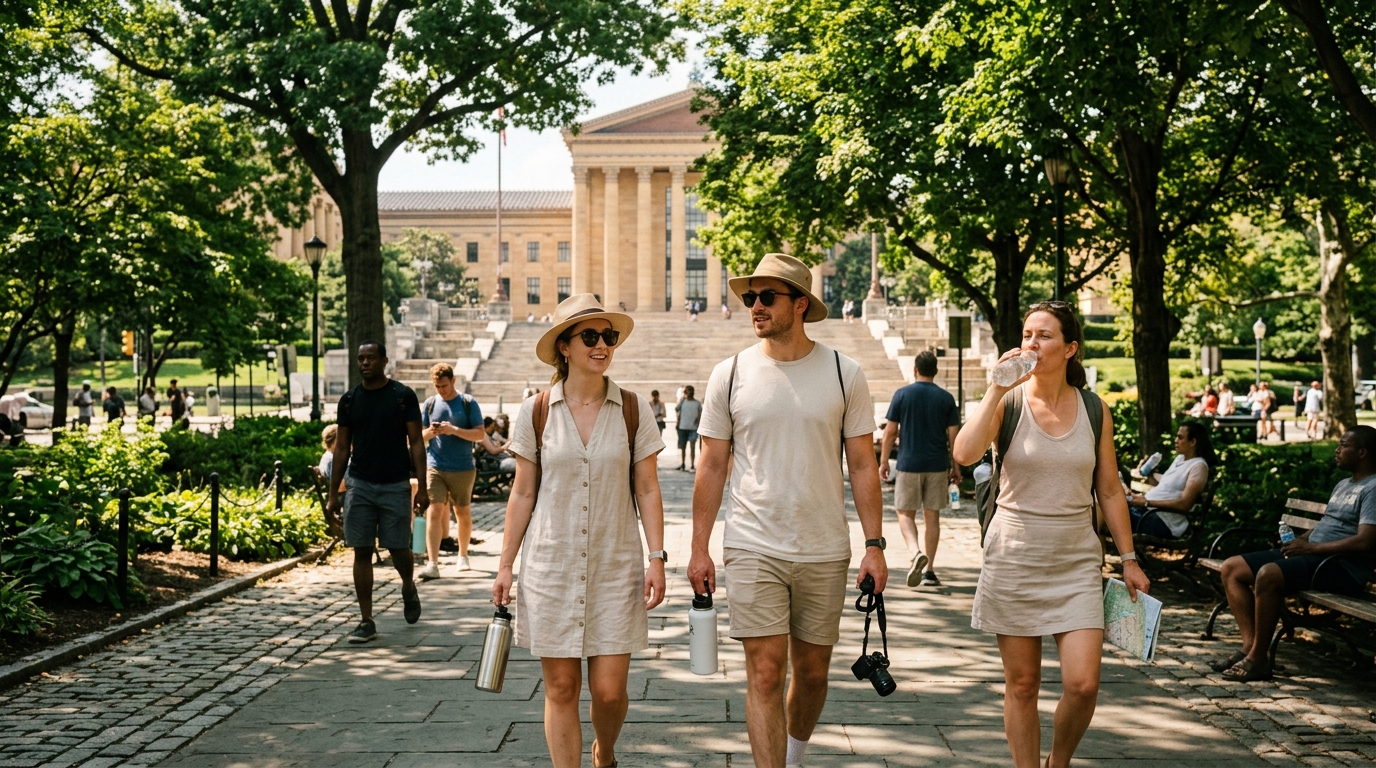
Start hydrating before you feel thirsty. Wear light clothing. Bring a refillable bottle if allowed. Use sunscreen. Find shade. Build in air-conditioned breaks. If you are traveling with kids, older adults, or anyone with health conditions, be more conservative than your original plan.
A good rule: if your itinerary has you outside from late morning through mid-afternoon with no real break, rewrite it.
Heat does not care that you came all the way to Philly for the big day.
Museums can save the day
One of the best ways to handle a hot, crowded July 4 in Philadelphia is to use the city’s museums strategically. The National Constitution Center, Museum of the American Revolution, The Franklin Institute, Philadelphia Museum of Art, and other cultural spots can give the day structure, history, bathrooms, water, and air-conditioning.
That last part matters.
A museum stop is not “giving up” on the holiday. It may be the smartest way to keep the day enjoyable. You can spend the morning in the historic district, duck into a museum during peak heat, eat somewhere nearby, and then decide whether you have the energy for evening fireworks.
Check admission rules and free programming before you go. On major celebration days, some museums may have special events or timed entry. Popular exhibitions can fill up. If you know you want a specific museum, reserve what you can in advance.
Your feet will thank you.
The Parkway is the big evening bet
The Benjamin Franklin Parkway is where many visitors will aim for the evening concert and fireworks energy. It is one of Philadelphia’s most iconic event spaces, running toward the Philadelphia Museum of Art with wide views and plenty of room for a huge crowd.
But big crowd means big logistics.
Arrive earlier than you think you need to. Bring only what is allowed. Check bag rules. Know where the entrances, water stations, bathrooms, and exits are. Do not count on casually strolling in at the last minute and getting a perfect spot.
If you are going with a group, decide how long you actually want to be there. A late-night fireworks finale can be amazing, but it also means leaving with everyone else afterward. If you have young kids, older relatives, or an early train, you may want a slightly less ambitious plan.
There is no shame in watching from farther back, leaving before the final crush, or choosing a calmer evening. The best spot is the one that lets you enjoy the night without turning the exit into a disaster.
Restaurants will be crowded, so do not leave food to luck
Philadelphia is a great food city, and July 4 is not the time to assume you can walk into any popular restaurant at the exact moment your group gets hungry.
Book reservations if you care about a specific place. In Old City, Center City, Rittenhouse, and near major event zones, popular spots may be packed or operating with holiday hours. Some places may close early. Others may switch to limited menus.
Have backup options. A quick sandwich, a market stop, food trucks, hotel snacks, or a casual neighborhood spot can save the day when every sit-down restaurant has a wait.
Also, do not let yourself get too hungry in the heat. That is how family travel arguments begin. Eat before everyone is desperate.
World Cup energy makes the city even busier
Philadelphia is not only dealing with America 250. The 2026 World Cup is also part of the summer travel picture, and Philadelphia is one of the host cities. That adds another layer of visitors, fan events, hotel demand, and public viewing energy.
This can be a plus. The city may feel more international, more festive, and more alive. It can also mean more crowded transit, higher hotel prices, and more competition for restaurants and bars.
If you are interested in the soccer atmosphere, check official fan festival information and public viewing events. If you are not interested, you still need to know it is happening because it can affect your plans.
Big events do not stay neatly in one neighborhood. They ripple.
Where to stay if you are coming from out of town
If you have not booked a hotel yet for July 4, 2026, expect high demand and high prices. Center City is convenient, especially if your focus is historic sites, museums, restaurants, and the Parkway. Old City puts you near the historic core but may be harder for last-minute availability. University City can be a good option with transit access and a little more breathing room. Staying near a Regional Rail line outside the city may work if you prefer a quieter base and do not mind transit planning.
Do not choose a hotel only because it looks close on a map. Check how you will get to your main event areas with road closures in place. Check parking fees. Check cancellation rules. Check whether the hotel is within a security or closure zone that could complicate pickup and drop-off.
A slightly less glamorous hotel near reliable transit may beat a better-looking hotel that traps you in traffic.
What to carry
Pack like someone who expects a long, hot city day.
Bring a refillable water bottle if allowed, portable charger, sunscreen, hat, sunglasses, comfortable shoes, light clothing, any medication you need, ID, payment card, and screenshots of tickets or reservations. If storms are possible, bring a small umbrella or light poncho if permitted by event rules.
Do not bring more than you want to carry all day. Security checks and bag restrictions can make oversized bags a problem. The lighter your setup, the easier the day becomes.
The goal is to be prepared, not burdened.
A realistic one-day plan
If you want a simple framework, try this:
Start early in the historic district. See the outside of Independence Hall, the Liberty Bell area, and Old City before the worst heat and crowds. Then take a late-morning break for food and water. Spend the hottest part of the afternoon in a museum, hotel lobby, restaurant, or air-conditioned indoor attraction. In the late afternoon or early evening, head toward your main event zone — the Parkway, fan festival area, or wherever your priority is.
Do less than you think you can do. Leave more time than seems necessary. Keep checking official updates.
That may sound unromantic, but it is how big-event travel works. The people who have the best time are not always the people with the longest list. They are the people who keep enough energy to enjoy the moment they came for.
The bottom line
Philadelphia on July 4, 2026 is a once-in-a-generation travel moment. It is also a hot, crowded, complicated city day with moving parts.
Go for the history. Go for the fireworks. Go for the America 250 energy. Go because there are very few places where the country’s 250th birthday will feel this connected to the ground under your feet.
Just do not go casually.
Plan your transit. Respect the heat. Pick your priority. Build in breaks. Keep checking official updates. And remember that you do not have to see everything for the day to count.
Sometimes the best way to experience a historic day is to leave enough room to actually feel it.