
# The Ultimate American Nail Salon Guide 2026: Gel-X vs. Dip Powder vs. Acrylic, Nail Health, Hygiene Secrets & Tipping Etiquette
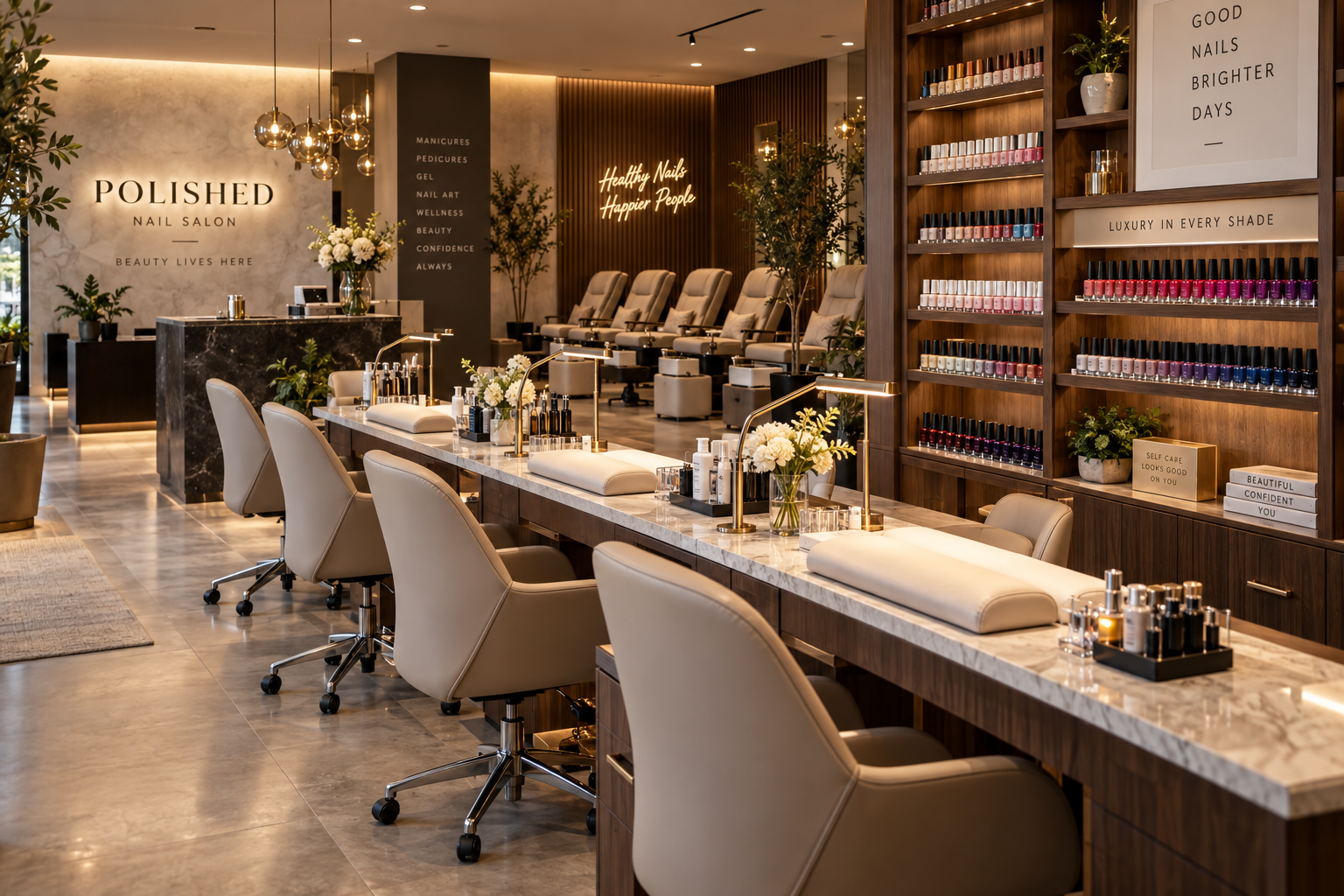
Step through the frosted glass doors of any neighborhood nail salon in America on a Friday afternoon, and you are immediately greeted by a familiar sensory symphony: the rhythmic whir of electric e-files, the glossy shimmer of hundreds of gel polish bottles organized in color-coordinated rainbows, and the warm, inviting greeting from the front desk as you sink into a vibrating leather pedicure chair.
Getting your nails done has evolved far beyond a luxury indulgence; it has become an indispensable American self-care ritual.
From working professionals maintaining clean, manicured hands to Gen Z tastemakers experimenting with chrome 3D glazed donut finishes, over one hundred million Americans visit a nail salon each month.
Yet for many clients, the salon menu can feel like a dizzying maze of chemical jargon. What is the real difference between Gel-X and traditional acrylics? Does dip powder ruin your natural nail beds? How much should you tip in 2026? And what hygiene red flags should make you walk right back out the door?
Here is your definitive, insider-curated American nail salon guide: translating service menus, decoding modern extensions, demystifying tipping etiquette, and celebrating the extraordinary immigrant heritage that built this vibrant industry.
The Big Four Decoded: Gel-X vs. Dip Powder vs. Acrylic vs. Builder Gel (BIAB)
The single most common dilemma at the manicure table is choosing the right system for your lifestyle, budget, and natural nail health. Here is how the four leading nail services compare:
| Service Type | How It Works | Longevity | Best Suited For | Key Pros & Cons |
|---|---|---|---|---|
| Gel-X (Soft Gel Extensions) | Full-coverage pre-shaped tips made of 100% soft gel, adhered to the natural nail using a soak-off gel base coat and cured under LED light | 3 to 4 weeks | Clients seeking natural-looking length without heavy chemical odors | Pros: Lightweight, zero odor, fast soak-off removal with minimal nail trauma.<br>Cons: Higher price point; cannot be "filled" (requires fresh set each time). |
| Builder Gel / BIAB (Builder in a Bottle) | A thick, viscous, self-leveling gel painted over the natural nail plate to create an artificial apex and structural reinforcement | 3 to 4 weeks | Natural nail growers, brittle or bendy nails | Pros: Flexible, moves with the natural nail, excellent for nail rehabilitation, easily refillable.<br>Cons: Limited extreme extension length compared to acrylics. |
| Dip Powder (SNS / Titanium) | Nails are painted with a cyanoacrylate resin base, dipped multiple times into colored polymer powder, sealed with an activator, and buffed smooth | 3 to 4 weeks | Active lifestyles, athletes, frequent hand-washers | Pros: Extremely durable, rock-hard chip resistance, no UV lamp exposure needed.<br>Cons: Rigid texture; soak-off can take longer if not filed down first. |
| Traditional Acrylics (Liquid & Powder) | A classic combination of liquid ethyl methacrylate (EMA) monomer and acrylic powder, hand-sculpted over tips or forms | 2 to 3 weeks (fills required) | Dramatic long extensions, extreme shapes (coffin, stiletto), intricate 3D sculpting | Pros: Maximum structural strength, highly customizable, budget-friendly fills.<br>Cons: Strong monomer scent; requires skilled technician to avoid over-filing. |
Which One Should You Choose?
- If you have short, damaged nails that you want to nurse back to health, request Builder Gel (BIAB).
- If you want instant length for an event or vacation without damaging your nail beds, opt for Gel-X.
- If your nails chip easily at work or typing, choose Dip Powder.
- If you love long, dramatic statement nails with 3D charms, stick with Classic Acrylics.
The Nail Architecture: Choosing the Perfect Shape
Selecting the right nail silhouette can elongate short fingers and elevate your entire aesthetic. Here are the premier nail shapes trending across salons:
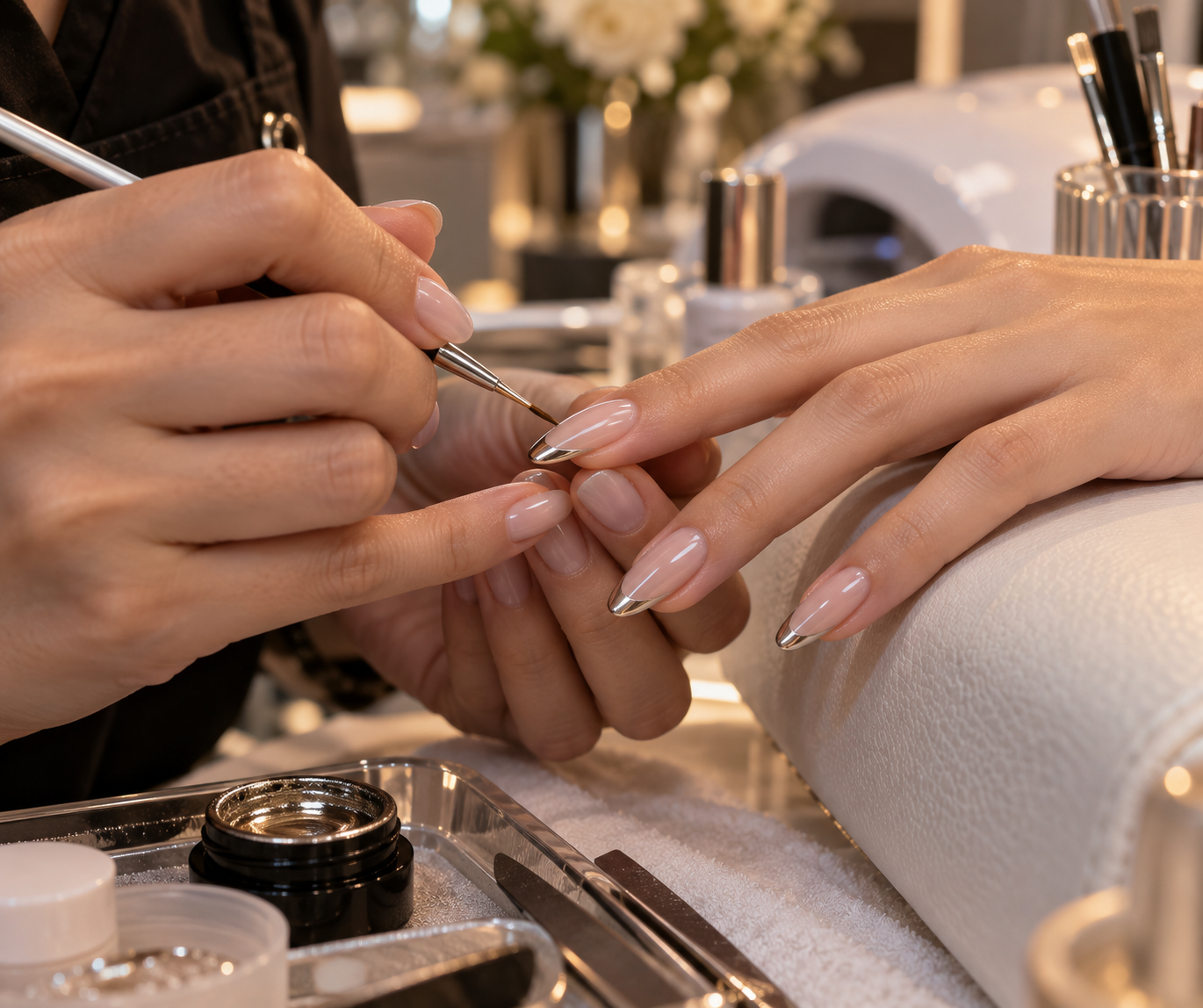
- Almond: Slender sides tapering to a softly rounded tip. Universally flattering, elongates the fingers, and structurally resilient against snagging.
- Coffin / Ballerina: Long, tapered sides with a sharp, flat square tip reminiscent of a coffin or ballerina slipper. The reigning favorite for acrylic extensions and dramatic nail art.
- Squoval (Square-Oval): A timeless classic featuring straight horizontal edges with gently softened, rounded corners. Perfect for corporate environments and short natural nails.
- Stiletto: Extreme, razor-sharp pointed tips. Bold and high-fashion, best executed on medium-to-long acrylics.
- Round: Follows the natural contour of your fingertip. Extremely low-maintenance and resistant to chipping on active hands.
Salon Tipping Etiquette in 2026: The Definitive Breakdown
Tipping at nail salons often causes awkward confusion at the checkout register. Nail technicians are skilled artisans who perform meticulous manual labor, often enduring hours of intense posture strain and detailed eye concentration.
Here are the current standard guidelines for salon tipping in America:
1. The Standard Service Benchmark: 18% to 20%
For quality service—gentle cuticle care, even shaping, smooth polish application, and clean edges—an 18% to 20% tip is the gold standard across the United States.
- Example: On a \$60 Gel Manicure, a 20% tip is $12.
- On a \$95 Deluxe Pedicure & Manicure combo, a 20% tip is $19.
2. Cash vs. Credit Card Tipping
Whenever possible, tip your technician in cash. Many salon merchant terminals deduct credit card processing fees (2.5% to 3.5%) from employee tips, or delay payout until the weekly payroll cycle. Handing your technician a crisp cash tip directly into their hands ensures they receive 100% of your appreciation immediately.
3. Tipping for Custom Nail Art and Fixes
If your technician spends extra time hand-painting intricate French tips, applying chrome powders, airbrushing ombré gradients, or placing 3D crystals, tip 22% to 25%. Their artistic talent and specialized tools deserve recognition beyond a baseline service.
- For Quick Fixes: If a technician repairs a chipped nail or broken tip for free between appointments, always offer a $5 to $10 cash gratuity for their time.
4. Holiday Season Gratuities (Thanksgiving through New Year's)
If you see the same nail technician regularly throughout the year, it is customary during December to give a holiday bonus equivalent to the cost of one full service (or a generous \$20 to \$50 cash gift paired with a thoughtful holiday card). Regular clients who take care of their technicians are always the first to be squeezed into fully booked holiday schedules!
Salon Hygiene & Safety Checklist: Red Flags to Watch For
A reputable salon prioritizes client health and sanitation above all else. Before dipping your toes or placing your fingers on the desk, look for these vital health safeguards:
Safe Green Flags
- Autoclave Sterilization: Metal implements (cuticle nippers, pushers, clippers) should be sanitized in a medical-grade hospital autoclave and opened from a fresh, color-changing sealed sterilization pouch in front of you.
- Single-Use Disposables: Nail files, wooden orange sticks, and foam buffer blocks cannot be disinfected properly; reputable salons use fresh single-use disposables for each client or let you take them home.
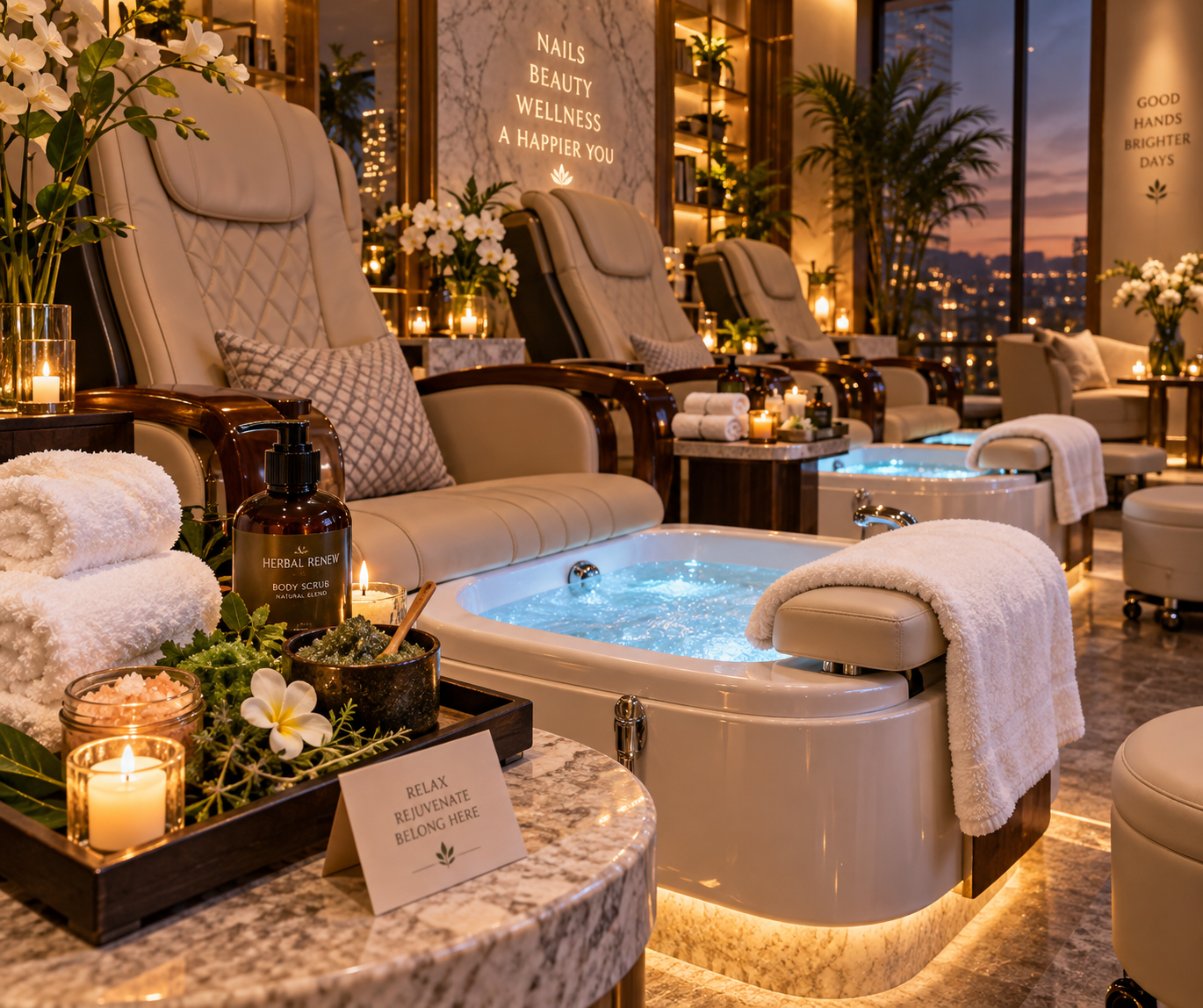
- Disposable Pedicure Tub Liners: For whirlpool pedicures, clean single-use plastic liners prevent cross-contamination from foot basin plumbing pipes.
- Proper Ventilation: A clean salon should feature source-capture exhaust vents at manicure tables to circulate clean air and eliminate heavy dust and monomer fumes.
Warning Red Flags
- Reusing unsealed metal tools wiped down only with a damp towel.
- The use of illegal razor callus scrapers (Credo blades) that slice live skin (banned in almost all 50 states).
- Cloudy, murky disinfectant jars where liquid has not been changed daily.
- Strong, suffocating chemical smells indicating poor ventilation or the use of banned MMA (methyl methacrylate) monomer.
The Inspiring American Dream: The 1975 Story That Built an $8 Billion Industry
Few Americans realize that the modern, accessible walk-in nail salon was born from an extraordinary act of kindness following the fall of Saigon in 1975.
When hundreds of thousands of Vietnamese refugees arrived in the United States, Hollywood actress and humanitarian Tippi Hedren (star of Alfred Hitchcock’s The Birds) visited Hope Village, a refugee camp established at Camp Pendleton in Southern California. Fascinated by her well-manicured nails, a group of twenty refugee women gathered around her.
Recognizing their artistic dexterity and eager desire to build self-sufficient lives in their new homeland, Hedren flew in her personal Beverly Hills manicurist, Dusty Coots, and coordinated with a local beauty school to license the women.
Those pioneering twenty women—revered today in the industry as "The Original 20"—graduated, found employment, and quickly opened their own independent salons across Southern California. They trained their sisters, cousins, daughters, and neighbors.
Before 1975, a professional manicure was an exclusive luxury reserved for wealthy socialites at high-end departmental spas. Vietnamese American entrepreneurs completely revolutionized the industry: pioneering affordable walk-in salons, introducing odorless and non-toxic formulas, and bringing accessible self-care to everyday working women across all fifty states.
Today, Vietnamese Americans own and operate more than 55% of all nail salons in the United States (and over 75% in California and Texas), generating more than $8.3 billion in annual economic impact.
Next time you sink into that massage pedicure chair and admire your fresh coat of polish, remember that you are participating in a cherished American ritual built on grit, artistry, and the enduring resilience of the immigrant spirit.
Looking for top-rated, highly sanitized nail salons and certified technicians in your neighborhood? Explore verified local providers on the FindALoco Vietnamese Beauty & Nail Directory.