
# Napa Valley Harvest Season: Grape Crush Traditions, Historic Stone Wineries, and the Silverado Trail Road Trip
As September slips into October across Northern California, a golden hush settles over the emerald Mayacamas and Vaca mountain ranges that frame the Napa Valley.
The morning air carries a sharp, exhilarating chill, and rising ground mist weaves through manicured rows of grapevines whose leaves are rapidly transforming into an undulating tapestry of deep bronze, amber, and fiery burgundy.
Long before dawn, the silent valley hums with purposeful energy: teams of skilled harvesters with curved grape knives move rhythmically between trellises by the glow of tractor floodlights, gently clipping heavy clusters of ripe Cabernet Sauvignon and Pinot Noir destined for the crush pads.
This is the legendary "Crush" season, the most exhilarating and romantic time of the year in the Napa Valley.
Spanning roughly thirty miles from the historic riverfront city of Napa in the south to the geothermal hot springs of Calistoga in the north, this celebrated valley produces less than four percent of California's wine by volume, yet commands global acclaim for its world-class vintages, architectural beauty, and Michelin-starred culinary culture.
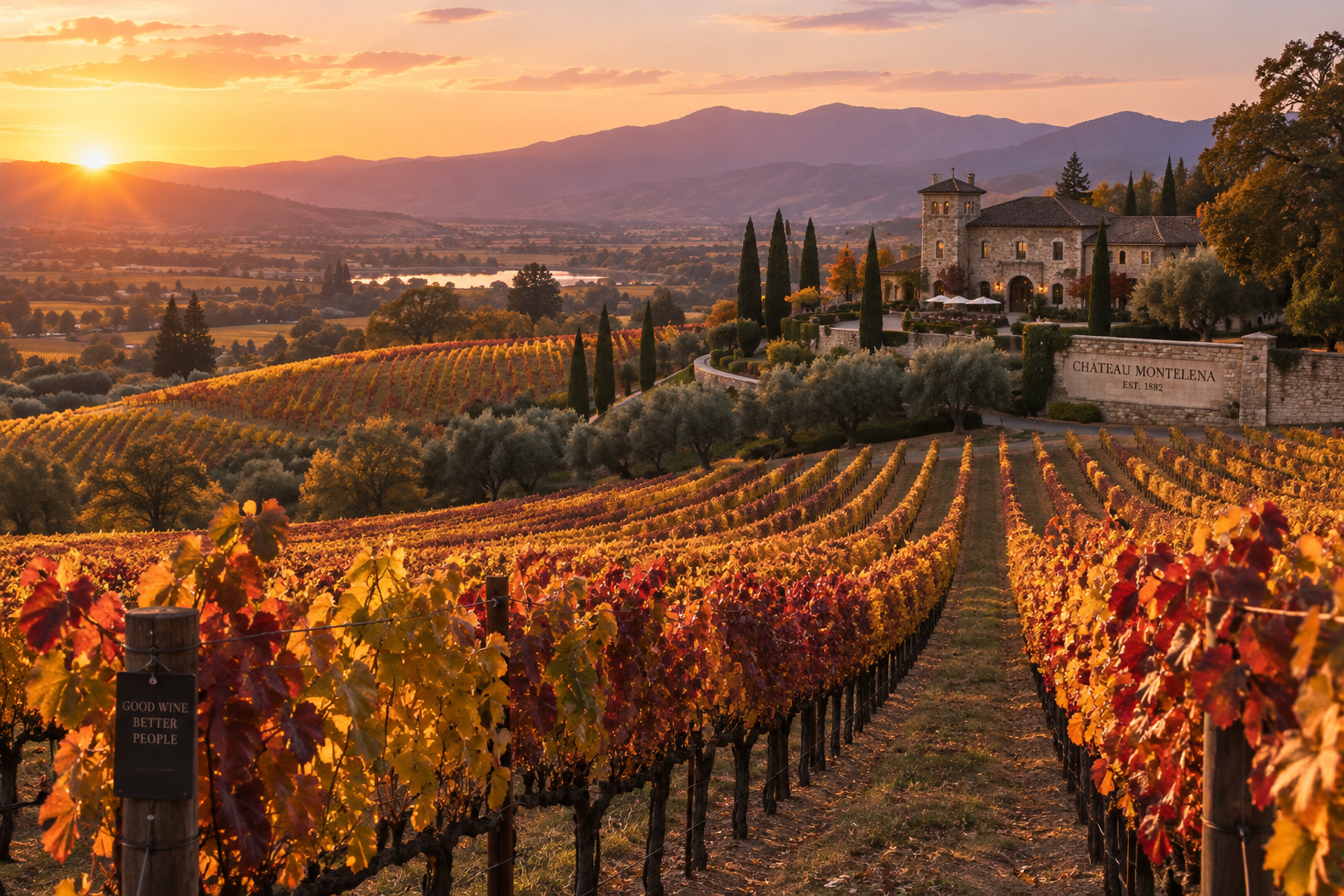
The Magic of the Crush: Inside the Harvest and Fermentation
Harvest season in wine country is not merely a visual spectacle; it is a thrilling, around-the-clock sensory journey where the sweet, intoxicating scent of freshly crushed grape juice fills the air along every vineyard road.
Winemaking during the harvest follows a meticulous, time-honored rhythm governed strictly by sugar levels, acidity, and weather:
- Night harvesting is the gold standard across premier Napa estates, allowing grapes to be picked while completely cold, preserving delicate aromatic compounds and preventing premature wild fermentation before reaching the sorting tables
- Destemming and optical sorting machines gently separate individual berries from their stems, after which grapes for red wines undergo fermentation with their skins to extract deep color, rich tannins, and layered fruit complexity
- Hand punch-downs and pump-overs are performed multiple times each day by passionate cellar crews, submerging the rising "cap" of floating grape skins beneath the bubbling must to coax out velvety structure
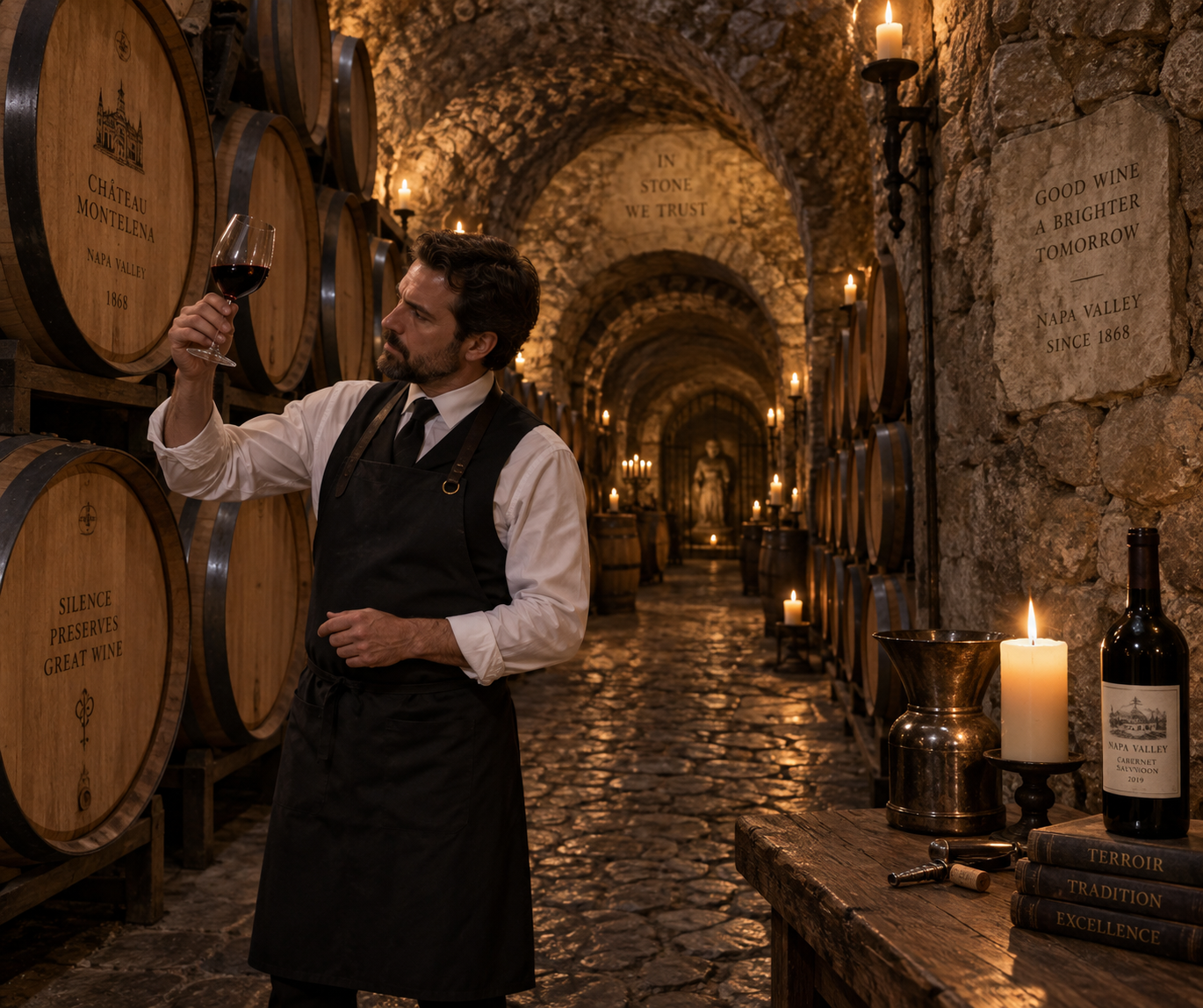
- The newly fermented wine is transferred into toasted French oak barriques, resting quietly inside climate-controlled subterranean caves to mature over eighteen to twenty-four months
During the peak harvest weeks, several historic estates host festive grape-stomping celebrations, allowing visitors to roll up their pant legs, climb barefoot into wooden tubs brimming with freshly picked grapes, and stomp to their hearts' content, stepping away with celebratory purple-stained feet and commemorative souvenir t-shirts.
Two Parallel Paths: Highway 29 vs The Scenic Silverado Trail
Navigating the Napa Valley is an exercise in choosing your own adventure between two iconic parallel routes running north and south along the valley floor:
The historic Highway 29 serves as the bustling main boulevard of wine country, linking legendary landmark estates characterized by grand, monumental architecture:
- Marvel at the iconic mission-style bell tower and sweeping vineyards of Robert Mondavi Winery, where fine California winemaking was redefined for the modern era
- Tour Inglenook in Rutherford, a majestic nineteenth-century stone chateau founded in 1879 by sea captain Gustave Niebaum and lovingly restored by filmmaker Francis Ford Coppola
- Ride the aerial tram at Sterling Vineyards in Calistoga, gliding high above volcanic hillsides to arrive at a brilliant white Greek-monastery-inspired winery with panoramic views of the entire northern valley floor
Running parallel along the quiet eastern foothills, the scenic Silverado Trail offers a more relaxed, serene road-tripping pace:
- Enjoy winding, oak-shaded driving lanes bordered by rustic dry-stone walls and intimate boutique family-owned estates
- Explore the renowned Stags Leap District, celebrated for its smooth, supple Cabernet Sauvignons that shocked the global wine establishment at the historic 1976 Judgment of Paris
- Discover subterranean wine caves carved deep into the rocky hillsides at places like Jarvis Estate or Quintessa, where subterranean temperatures maintain natural year-round cool aging environments
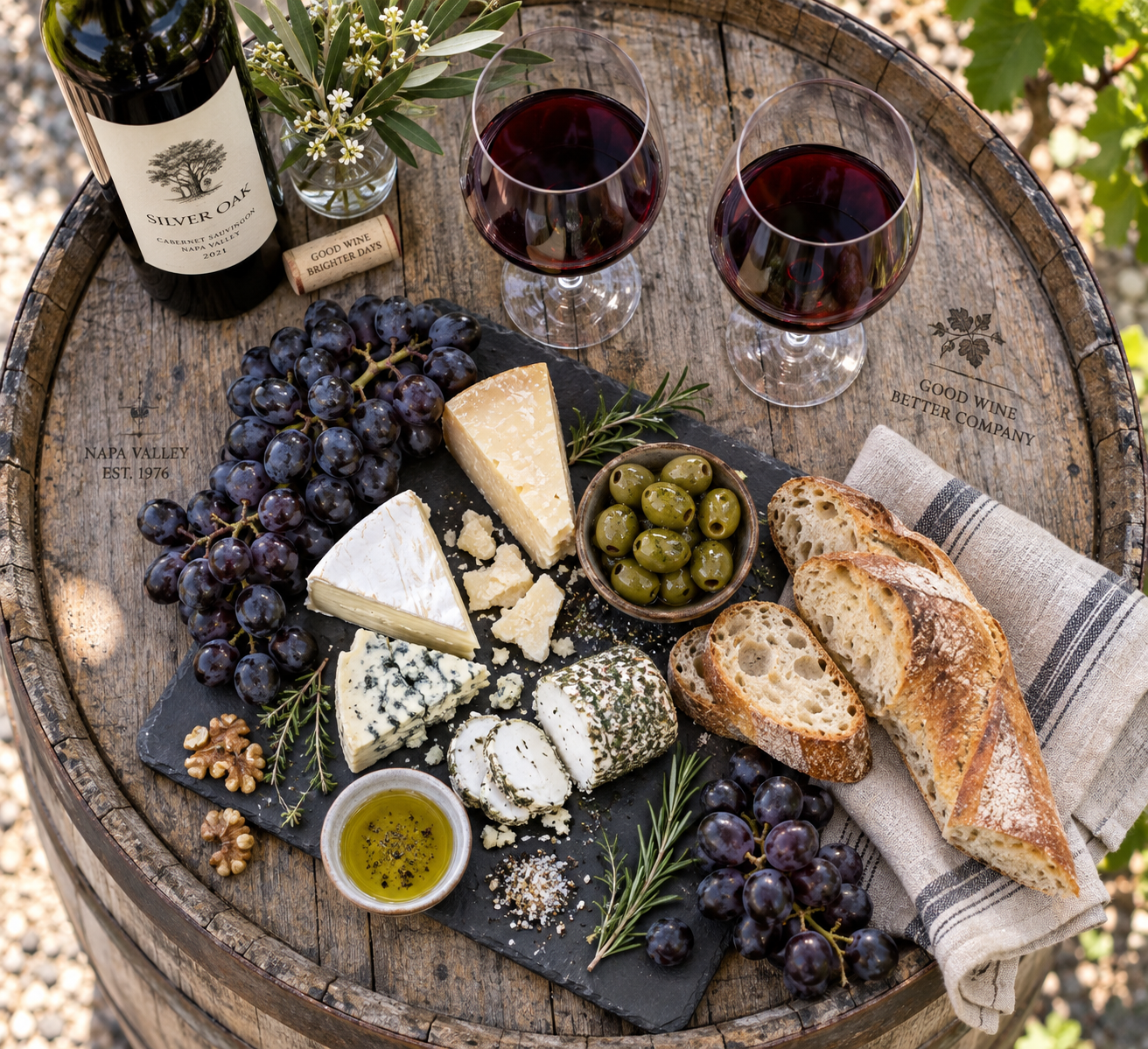
Epicurean Paradise: Yountville, St. Helena, and Farm-to-Table Feasts
What elevates a Napa Valley autumn journey from an exceptional wine tour into an unforgettable travel experience is its peerless gastronomic landscape. Blessed with Mediterranean sunshine, fertile volcanic soils, and a community of visionary chefs, the valley is the epicenter of the American farm-to-table movement.
The crown jewel of Napa dining is the charming, walkable village of Yountville, boasting more Michelin stars per capita than almost any other enclave in the world:
- The French Laundry, chef Thomas Keller's three-star temple of culinary perfection, where an evening unfolds through exquisite multi-course tasting menus paired with rare library vintages
- Bouchon Bakery, where morning lines form along the sidewalk for warm, flaky pain au chocolat, delicate French macarons, and artisanal sourdough baguettes
- Farm-to-table bistros and rustic vineyard trattorias throughout St. Helena and Calistoga, serving wood-fired pizzas topped with wild mushrooms, house-made pastas, and cheese boards featuring local California purveyors like Cowgirl Creamery and Cypress Grove
Insider Tips for Planning Your Autumn Wine Getaway
Because harvest season is the most sought-after period of the year in wine country, thoughtful preparation is essential to ensure an unhurried, restorative getaway:
- Book winery tasting appointments and dining reservations several months in advance; virtually all Napa wineries now operate strictly on advance reservation models rather than accepting spontaneous walk-in guests
- Pace your daily schedule deliberately, limiting your itinerary to no more than two or three tastings per day to avoid palate fatigue and to leave ample time for leisurely lunches and scenic vineyard strolls
- Designate a sober driver, hire a private chauffeured driver service, or explore the Napa Valley Wine Train, a restored vintage railcar experience that serves gourmet meals while gliding through the heart of the vineyards
- Dress in smart-casual layers; autumn mornings in the valley can be crisp and chilly in the forties, yet midday sunshine frequently warms the hillsides into the pleasant mid-seventies Fahrenheit
- Venture into neighboring Sonoma County for an afternoon to explore the historic Spanish colonial plaza in Sonoma town, or drive through the Russian River Valley to sample world-class cool-climate Pinot Noirs and Chardonnays
Whether you come to witness the frantic excitement of the crush pads, taste library vintages inside candlelight stone caves, or simply unwind with a glass of rich red wine under a golden vineyard sunset, Napa Valley in the autumn offers a celebration of the good life that endures in memory forever.