
# The Ultimate Texas Hill Country BBQ Trail: Smoked Brisket, Historic Pitmasters, and Lockhart's Barbecue Shrines
Long before the sun begins to tint the rolling limestone ridges of Central Texas with pale dawn gold, a fragrant, sweet blue haze has already enveloped the quiet backroads between Austin and Lockhart.
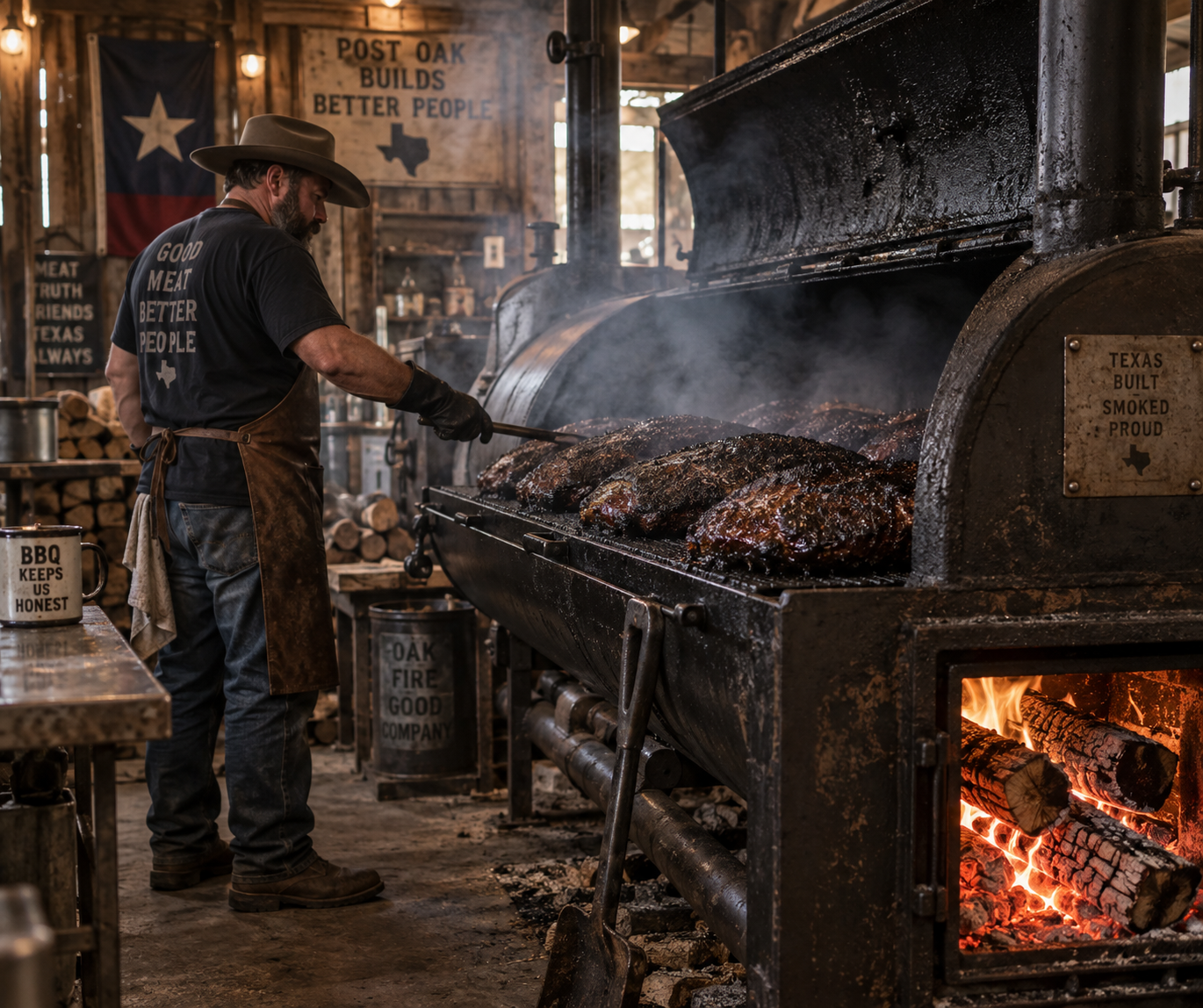
It is the unmistakable perfume of burning aged post-oak logs, smoldering quietly inside colossal steel offset smokers and century-old brick firepits.
Inside dimly lit, grease-seasoned smokehouses, pitmasters who have spent twenty consecutive hours on their feet wipe sweat from their brows, checking the draft vents and gently spritzing resting briskets with apple cider vinegar.
To food travelers across the globe, the Texas Hill Country BBQ Trail is far more than a road trip; it is a sacred culinary pilgrimage through the heart of American meat craftsmanship.
Here, barbecue is not treated as a sauce-drowned condiment, but as an austere religion where nothing is allowed to hide between the pure flavor of quality beef, coarse butcher-grind black pepper, kosher salt, and clean wood smoke.
The Holy Trinity: The Anatomy of Central Texas Style
To understand the reverence surrounding Texas barbecue, one must trace its roots back to the mid-nineteenth century, when German and Czech immigrant butchers settled throughout the fertile Hill Country.
Lacking modern refrigeration, market owners seasoned unsold cuts of tough beef with salt and dry spices, then smoked them over native hardwood embers to preserve them through the sweltering Texas summers.
Customers bought the smoked meats wrapped in simple brown butcher paper, eating them directly off the counters alongside basic dry-goods staples like sharp cheddar cheese, saltine crackers, and whole dill pickles.
Over generations, this utilitarian preservation technique evolved into Central Texas style barbecue, defined by its legendary "Holy Trinity":
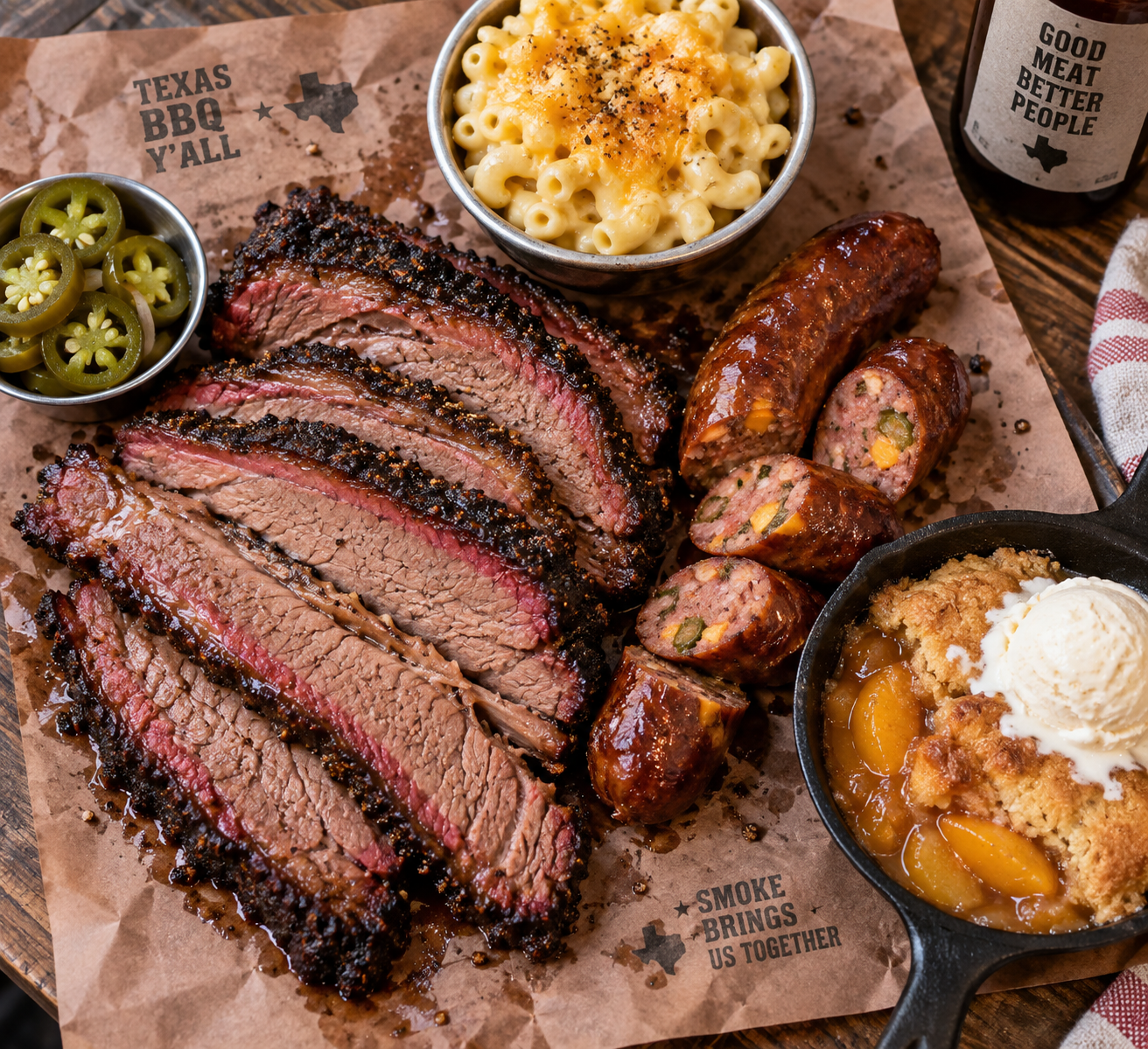
- Smoked prime beef brisket, cooked low and slow between two hundred and twenty-five and two hundred and fifty degrees Fahrenheit for twelve to sixteen hours, boasting a jet-black, caramelized peppery bark on the outside, a vibrant ruby-pink smoke ring beneath the surface, and tender rendered fat that melts instantly on the tongue
- House-made beef and pork sausage links, stuffed into natural hog casings with crushed garlic and cracked black pepper, or loaded with charred jalapeño chunks and molten cheddar cheese that bursts with a distinct, audible snap upon the first bite
- Mammoth pork spare ribs and colossal beef "dino" ribs, seasoned with a minimalist dry rub and smoked until the meat pulls effortlessly away from the bone while retaining a luscious, juicy chew
Noticeably absent from traditional pits is sticky, sugary tomato barbecue sauce. In legendary Hill Country institutions, placing sweet sauce on prime brisket is considered almost sacrilegious; the meat is served strictly "naked" by the pound on grease-stained butcher paper, accompanied by nothing more than slices of raw white onion, pickled jalapeño peppers, and inexpensive white sandwich bread.
Shrines of the Pit: Lockhart, Luling, and Austin
The heart of the journey begins in Lockhart, officially designated by the Texas Legislature as the "Barbecue Capital of Texas." Within this charming historic county seat of just fourteen thousand residents sit three of the most historic barbecue shrines in existence:
- Kreuz Market, operating since 1900, famous for its cavernous pit room where patrons place their orders directly beside the glowing embers and where knives and forks are famously forbidden—diners eat entirely with their hands
- Smitty's Market, housed in the original 1924 Kreuz building, where visitors must walk through an open-fire brick hallway filled with leaping flames and swirling smoke to reach the butcher counter
- Black's Barbecue, continuously owned and operated by the same family since 1932, legendary for its colossal, tender beef short ribs that weigh over a pound each
Venturing twenty minutes south to the historic railroad town of Luling, travelers arrive at the City Market, an unpretentious grocery storefront with a rustic back pit room that produces some of the most revered, intensely smoky pork ribs and house-stuffed beef sausage links in North America.
Heading back north into the vibrant urban landscape of Austin, the modern barbecue renaissance reaches its pinnacle:
- Franklin Barbecue, where dedicated barbecue enthusiasts arrive at six in the morning with folding chairs, coolers, and acoustic guitars to wait five hours in line for pitmaster Aaron Franklin's world-famous brisket
- Terry Black's Barbecue on Barton Springs Road, offering swift service, cavernous indoor seating, and extraordinarily consistent bark-crusted brisket alongside rich creamed corn and macaroni and cheese
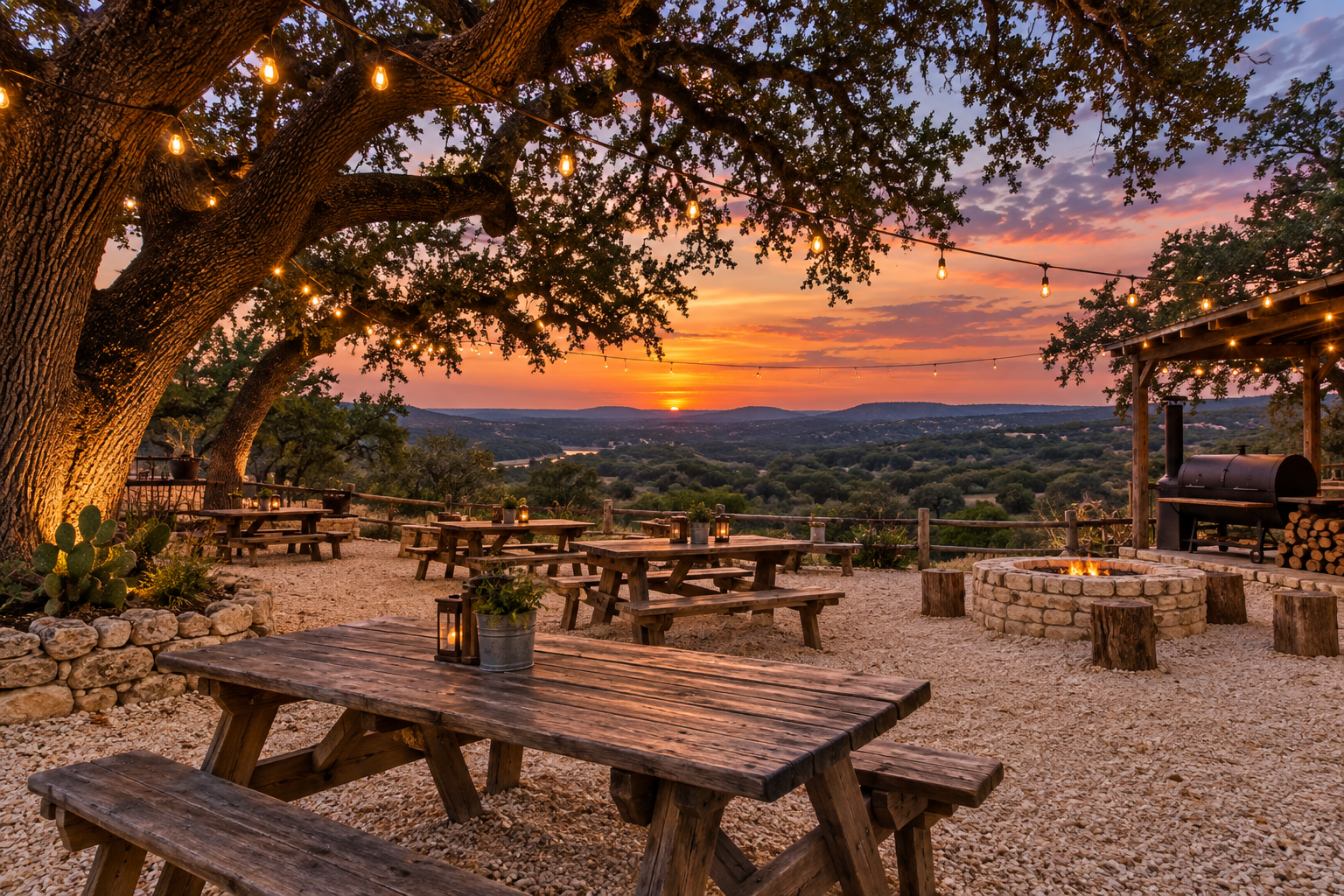
- The Salt Lick in nearby Driftwood, nestled beneath ancient live oaks where guests can bring their own beverages and marvel at the massive circular open-pit smoker laden with hundreds of sizzling sausage coils
Sweet Comforts: Classic Hill Country Sides and Desserts
While smoked meats are undoubtedly the main event, no Texas barbecue feast is complete without the traditional accompaniments that provide textural contrast and comforting warmth:
- Southern-style macaroni and cheese, baked until golden and bubbling with a blend of sharp cheddar and Monterey Jack
- Smoky pinto beans, simmered for hours with smoked brisket trimmings, bacon, and chili powder
- Tangy vinegar-based potato salad and crisp, mustard-spiced coleslaw that cut through the rich decadence of the beef fat
- Warm Texas peach cobbler, baked with sweet Fredericksburg peaches beneath a buttery pastry crust and topped with a generous scoop of Blue Bell vanilla ice cream
- Freshly baked banana pudding layered with vanilla wafers and fluffy marshmallow meringue
Essential Etiquette and Tips for the BBQ Trail
Embarking on the Texas Hill Country BBQ Trail requires smart pacing and a clear understanding of smokehouse culture:
- Most legendary smokehouses operate on a "cooked fresh daily" philosophy; when the day's batch of brisket sells out—frequently by one or two o'clock in the afternoon—the pit doors are locked until tomorrow
- Arrive early, particularly on Friday, Saturday, and Sunday; for world-renowned spots like Franklin or Snow's in Lexington, lining up before eight in the morning is essential
- Order meat by weight rather than by meal combos; requesting "lean" brisket gives you the flat cut, but connoisseurs consistently ask for "moist" or "fatty" brisket, which comes from the richly marbled point cut
- Bring friends and travel in groups; ordering a quarter-pound of four or five different meats allows everyone to sample a diverse spread without getting overwhelmed
- Wear comfortable, washable clothing; after spending thirty minutes inside a historic smokehouse, the aroma of sweet post-oak smoke will happily linger on your jacket for days
From the historic brick pits of Lockhart to the communal picnic benches of Austin, the Texas BBQ Trail showcases an enduring devotion to patience, fire, and time that reminds travelers why great cooking cannot be rushed.