
# The Ultimate Guide to Shopping at a Vietnamese Supermarket in America: Essential Pantry Staples, Fresh Produce & Hidden Deli Gems
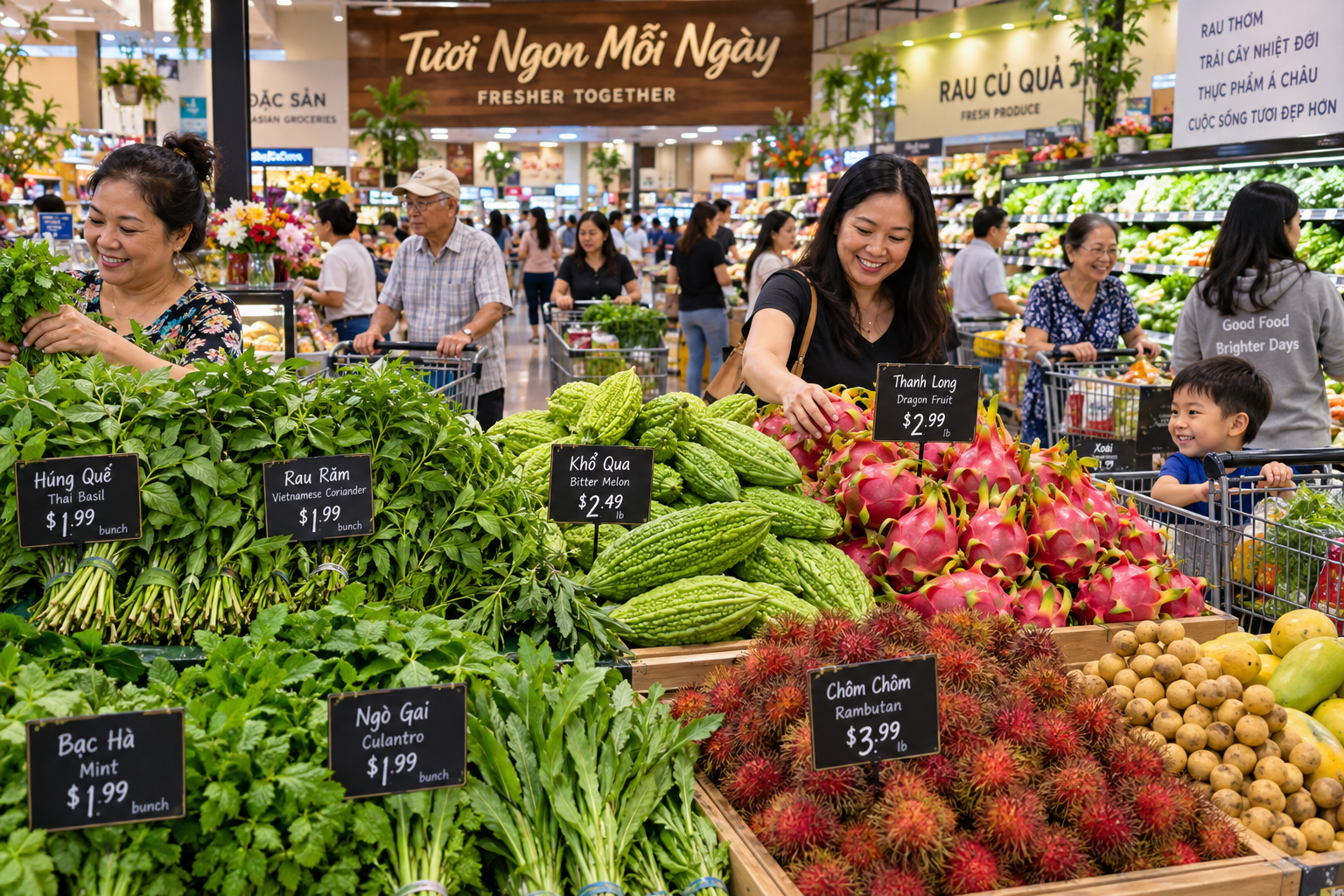
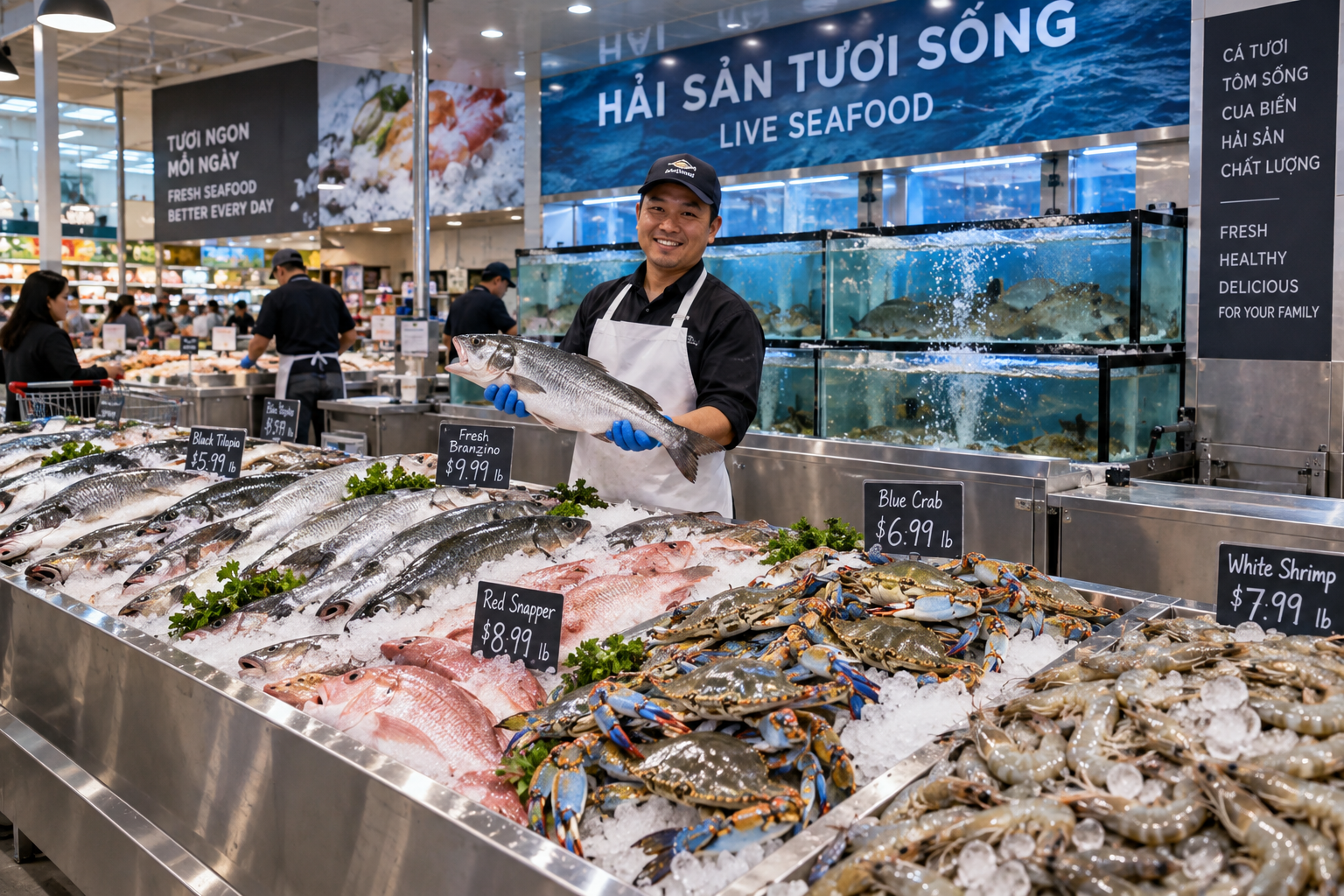
Step across the threshold of any bustling Vietnamese supermarket in America on a weekend morning, and your senses are instantly swept into a vibrant sensory world: the invigorating hum of Vietnamese announcements echoing over the intercom, the unmistakable tropical perfume of ripe jackfruit and durian mingling with the aroma of five-spice roast pork crackling at the deli counter, and the rhythmic splashes from glass tanks where live tilapia and Dungeness crabs swim in oxygenated water.
For Vietnamese Americans, the neighborhood supermarket—affectionately known simply as Chợ Việt—is infinitely more than a grocery store.
It is the beating cultural and culinary heart of the community. Here, grandmothers gently inspect bundles of fragrant sawtooth herb, home cooks bargain for whole fish to steam with ginger and scallions, and second-generation foodies hunt down authentic pantry ingredients that mainstream American supermarkets never carry.
For non-Vietnamese home cooks and culinary adventurers, walking into an Asian mega-mart like Shun Fat (Thuận Phát), Saigon Supermarket, Lion Market, or 99 Ranch can feel like exploring an enchanting open-air bazaar. With thousands of unfamiliar labels, exotic produce, and specialized counter services, navigating the aisles can be as overwhelming as it is exciting.
Here is your masterclass in navigating an authentic Vietnamese supermarket in America: deciphering essential pantry staples, scoring the freshest herbs and seafood, unlocking secret counter perks, and stretching your grocery dollar.
The Landmark Supermarkets: Where America Shops Vietnamese
While nearly every metropolitan area with an Asian population features neighborhood markets, several historic supermarket chains anchor the community:
| Supermarket Chain | Primary Hubs | Signature Specialties |
|---|---|---|
| Shun Fat Supermarket (Thuận Phát / SF Market) | Southern California, Northern California, Las Vegas | Massive live seafood departments, ultra-fresh Vietnamese herbs, extensive imported goods |
| Saigon City Market / Siêu Thị Sài Gòn | Westminster & Garden Grove (Little Saigon, CA) | Pure traditional Vietnamese focus, seasonal tropical fruits (mangosteen, rambutan, dragon fruit) |
| Lion Supermarket | San Jose & Silicon Valley, CA | Huge selection of fresh noodles, rice paper, and home-style roasted deli meats |
| Hong Kong Food Market / Kim Sơn Plaza | Houston & Dallas, Texas | Expansive Gulf Coast seafood, giant bulk bags of Jasmine rice, regional pantry sauces |
| 99 Ranch Market | Nationwide (California, Texas, Washington, East Coast) | Reliable pan-Asian staples, bilingual labeling, expansive hot deli counters |
| H Mart | Nationwide | Premium Korean & Asian produce, curated cuts of thinly sliced hot pot beef and pork belly |
The Herb & Produce Department: The Green Soul of Vietnamese Cooking
Vietnamese cuisine is celebrated worldwide for its vibrant freshness, and that reputation lives or dies in the produce aisle. Unlike Western recipes where herbs serve as a minor garnish, Vietnamese dishes treat fresh greens as primary structural ingredients:
Essential Vietnamese Herbs You Must Try
- Húng Quế (Thai Basil): Pungent, licorice-sweet with purple stems. The indispensable companion to hot bowls of pho and spicy noodle soups.
- Ngò Gai / Răng Cưa (Culantro / Sawtooth Herb): Long, serrated leaves with an earthy, intense cilantro flavor that holds up beautifully to simmering in hot broths.
- Tía Tô (Vietnamese Perilla / Shiso): Two-toned green and deep purple leaves with an earthy, minty, cinnamon-like aroma. Essential for wrapping grilled meats and noodle salads.
- Rau Răm (Vietnamese Coriander): Slender pointed leaves with a peppery, spicy citrus bite. The classic pairing for chicken salads (gỏi gà) and duck dishes.
- Diếp Cá (Fish Mint): Heart-shaped leaves with a distinctive, tangy, slightly fishy minerality. Loved by purists in fresh spring rolls.
Tropical Produce & Veggie Staples
- Rau Muống (Water Spinach / Ong Choy): Hollow green stems that stay delightfully crunchy when stir-fried with heaps of smashed garlic and fish sauce.
- Khổ Qua (Bitter Melon): Warty green gourds prized for their refreshing, medicinal bitterness, traditionally hollowed and stuffed with seasoned minced pork for comforting soups.
- Bắp Chuối (Banana Blossom): Deep purple flower blossoms thinly shredded into crisp purple-and-white ribbons for refreshing cabbage-free salads.
The Live Seafood Counter: Unlocking the Secret Free "Deep Fry" Service
The seafood department of a Vietnamese supermarket puts standard supermarket seafood counters to shame. Here, freshness is measured not in days, but in breaths.
How to Order at the Fish Counter
- Choose Live or Iced: You can pick live whole fish directly from the bubbling glass tanks (live tilapia, striped bass, catfish, or seasonal Dungeness crab and lobster) or select from the gleaming stainless steel ice beds laden with red snapper, pompano, and Gulf white shrimp.
- Tell the Fishmonger Your Cut: The staff will clean your fish to your exact specifications:
- The Secret "Chiên Giòn" (Free Deep-Fry) Perk: In almost every Vietnamese and Asian supermarket, you can hand your cleaned whole fish to the fry cook behind the counter and ask for it to be deep-fried whole on the spot—usually 100% free of charge! Within ten minutes, you receive a piping-hot, golden-brown, shatteringly crisp whole fish in a foil tray, ready to take home and wrap in rice paper with herbs for an effortless dinner.
- "Làm sạch" (Scale, gut, and gill - keep head on for whole steaming). - "Cắt khúc" (Steaked into thick cross-sections for braising in clay pots). - "Lấy phi-lê" (Filleted).
The Fish Sauce Hierarchy: Demystifying the Essential Condiment
Stroll down the condiment aisle, and you will encounter an entire aisle wall lined with hundreds of amber-tinted glass bottles. Fish sauce (nước mắm) is the soul of Vietnamese gastronomy, but not all bottles are created equal:
1. Pure Artisan Single-Press (The Premium Sipping Tier)
- Red Boat 40°N: The gold standard for purists. Made exclusively from two ingredients: wild black anchovies caught off the pristine waters of Phú Quốc Island and sea salt, aged in wooden barrels for twelve months. It contains zero added water, sugar, or MSG. Use this for raw dipping sauces (nước mắm chấm) and delicate vinaigrettes where pristine flavor matters.
2. Everyday Balancing Blends (The Home Kitchen Workhorses)
- Three Crabs Brand (Ba Con Cua): Manufactured with sweet, mellow undertones. Blended with a touch of fructose and hydrolyzed wheat protein, it has a softer, less assertive pungent edge that makes it immensely popular among home cooks for quick garlic-chili dipping sauces.
- Squid Brand & Flying Lion: Robust, intensely savory sauces with higher salt concentration, perfect for marinades, caramel pork claypots (thịt kho tàu), and pho broth seasoning.
What Does the "°N" Number Mean?
When you see 35°N, 40°N, or 50°N printed on a label, it indicates degrees Nitrogen—a scientific measurement of protein content per liter. The higher the number, the richer, sweeter, and more concentrated the natural umami flavor.
The Hot Food Deli & Bakery: Grab-and-Go Culinary Treasures
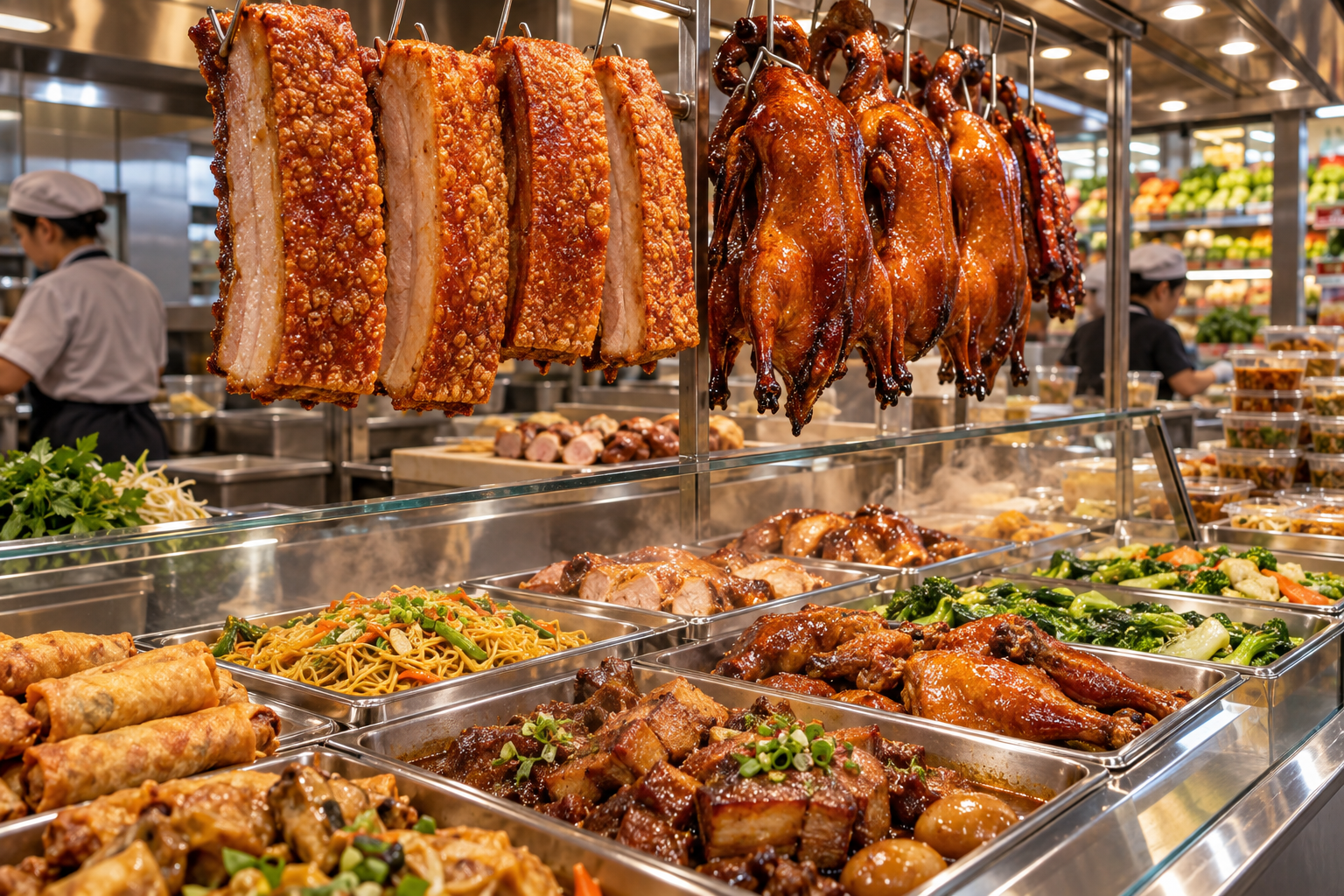
Before heading to the checkout lanes, make a mandatory detour to the hot food deli counter (quầy đồ ăn nấu sẵn):
- Heo Quay (Crispy Crackling Roast Pork Belly): Ordered by the pound, chopped with a heavy cleaver into bite-sized squares right before your eyes. The skin is blistered to an airy, potato-chip crunch while the meat remains succulent and spiced with five-spice powder.
- Vịt Quay (Cantonese-Style Roast Duck): Glistening mahogany skin, deeply aromatic, served with spiced plum dipping sauce.
- Bánh Mì Counter: Many markets bake French-style baguettes on-site every thirty minutes, selling warm grab-and-go banh mi stuffed with house-made pâté, headcheese, and pickled daikon for under \$7.
- Traditional Grab-and-Go Sweets (Chè & Bánh Quê): Clear plastic containers filled with chè ba màu (three-color coconut dessert with sweet beans and pandan jelly), bánh da lợn (steamed tapioca layer cake with mung bean and pandan), and savory bánh giò (steamed rice pyramids filled with minced pork and wood ear mushrooms wrapped in banana leaves).
4 Pro-Tips for Maximizing Your Market Run
- Shop Early on Weekend Mornings: The best time to browse is between 8:30 AM and 10:30 AM on Saturdays or Sundays. Produce deliveries arrive fresh, the live seafood tanks are freshly stocked, and the first batch of roast pork comes hot out of the ovens.
- Tremendous Produce Savings: Because Vietnamese and Asian markets move immense volume, leafy greens, herbs, and tropical fruits are typically 30% to 50% cheaper than conventional American supermarkets.
- Inspect Frozen Fruit Seals: When buying coveted frozen tropical delicacies like whole frozen durian (sầu riêng Monthong / Ri6) or frozen shredded coconut, check that the vacuum seal is tight and free of ice crystals to ensure peak freshness.
- Bring Reusable Insulated Totes: If you purchase live seafood, fresh noodles, or hot roast pork, keeping insulated tote bags in your trunk keeps warm foods piping hot and chilled seafood impeccably fresh on the drive home.
Stepping into a Vietnamese supermarket is more than a grocery chore; it is an immersive celebration of community resilience and culinary joy.
Whether you are seeking the crispest herbs, the richest fish sauce, or an effortless hot dinner, Chợ Việt welcomes all food lovers with open arms and boundless flavor.
Find verified, top-rated Vietnamese supermarkets and Asian grocery stores in your area through the FindALoco Vietnamese Supermarket Directory.