# Your Digital Purchases Aren’t Really Yours
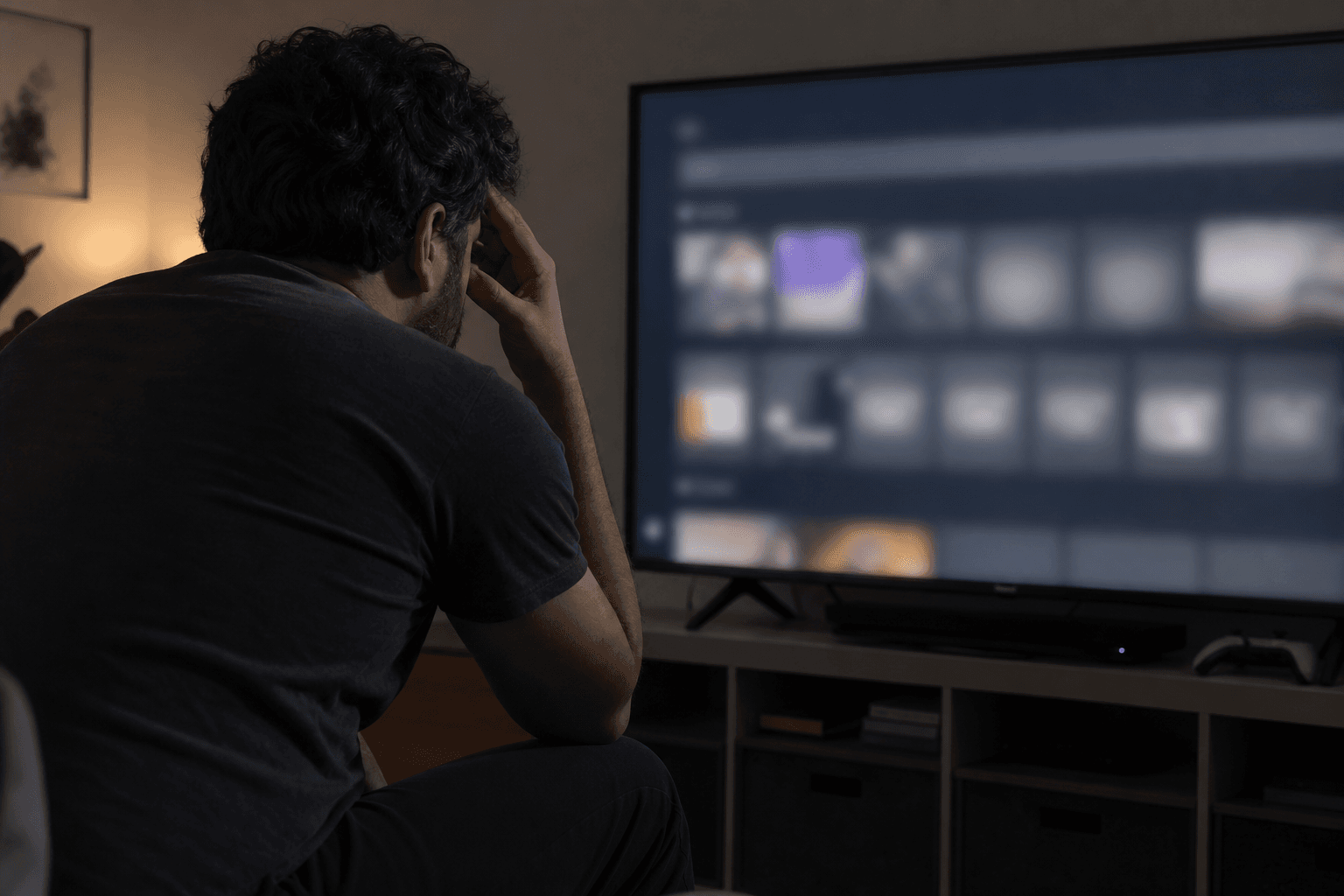
The movie was right there last week.
You remember buying it. Not renting it. Buying it. There was a button with that exact word, followed by a price that felt high enough to mean the transaction was permanent. You watched it twice, forgot about it for a few years, then went looking for it on a rainy Sunday.
Now the title is missing, unavailable, or sitting behind a notice about licensing. Customer support explains that the store no longer carries it. Your account history confirms you paid. Neither fact brings the movie back.
This is the small, irritating moment when digital life reveals the terms of the deal.
We spent years building enormous libraries without shelves. Movies, albums, e-books, games, software, family photos—whole collections reduced to rows of cover art inside accounts we access with passwords. The arrangement felt like ownership because the interface borrowed all the language of ownership. Buy. Library. Collection. Purchased.
But for much of what we call a digital purchase, the thing we own most securely is the receipt.
The “Buy” button did a lot of emotional work
Buying a physical object is easy to understand. The bookstore can close and the novel remains on your nightstand. A movie studio can merge with another studio and your DVD still plays. The company that manufactured your record player does not need to approve the album every time you put the needle down.
Digital purchases feel cleaner. No scratched discs. No boxes in the closet. No moving-day argument about whether anyone truly needs 74 old video games. Your collection follows you from device to device, at least in theory.
The convenience was real. So was the sleight of hand.
In many digital storefronts, money does not transfer ownership of a copy in the traditional sense. It gives you a license to access content under a set of terms. Those terms can depend on the platform remaining open, your account staying in good standing, authentication servers continuing to work, and the seller retaining distribution rights.
Most people did not read this in the agreement because almost nobody reads agreements designed to be accepted, not understood. They read the button.
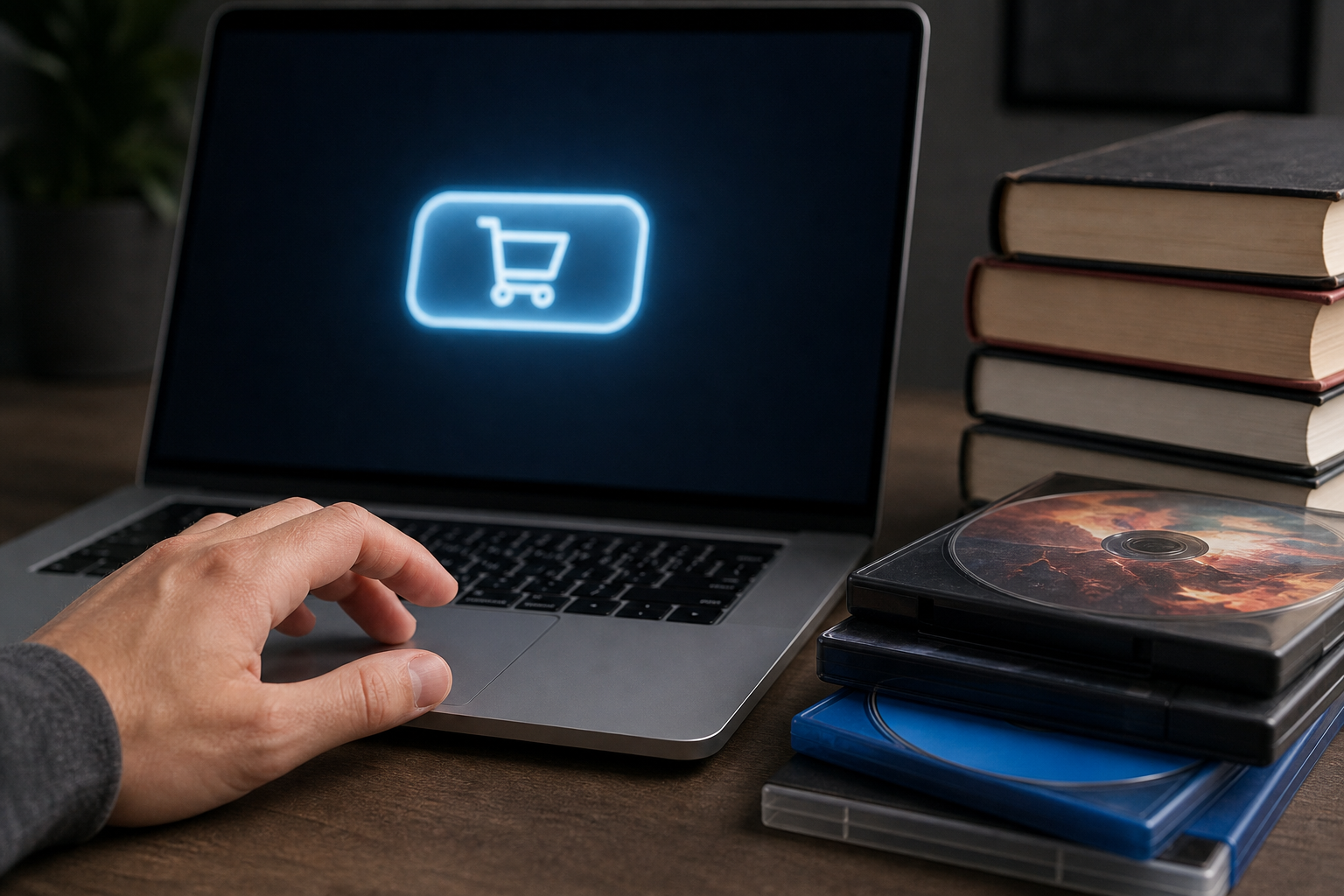
The button said buy.
California made the fine print move closer to the front
California’s digital-goods law, AB 2426, took effect in 2025. Its basic idea is refreshingly modest: if a company is selling a revocable license, it should not casually describe the transaction as a purchase without making that limitation clear.
The law covers categories including digital games, e-books, music and audiovisual works. Sellers can still use words like “buy” or “purchase,” but they generally need a clear disclosure that the customer is receiving a license, along with access to the license terms, or they need the customer to affirmatively acknowledge the limitations.
What the law does not do is turn a license into property. It does not guarantee that a game will remain playable forever. It does not force every movie to stay in your library after a rights dispute. It makes the deal more honest at the point of sale.
That matters, even if the disclosure arrives as one more line of text people hurry past.
For years, the digital marketplace relied on a useful ambiguity: the experience felt like owning while the contract behaved like renting. California didn’t eliminate the ambiguity. It made it harder to pretend it wasn’t there.
Games make the problem impossible to ignore
A movie disappearing from a storefront is frustrating. A game can disappear in a more complete way.
Modern games may rely on authentication servers, online worlds, licensed music, recurring updates and accounts controlled by publishers. When those systems shut down, a game someone paid full price for can become partially broken or entirely unplayable.
This is different from a game being removed from sale. Delisting may stop new customers from buying while existing owners retain downloads. A server shutdown can take away the functioning experience itself.
The debate has grown into a consumer movement because games are not disposable weekends anymore. People spend years in them. They build communities, make friends, create memories and sometimes spend far more after the initial purchase. When a publisher turns off the lights, players are told that maintaining access would be technically difficult, legally complicated or commercially unreasonable.
Those explanations may be true. They also expose an unusual arrangement: a product can be sold for years without a workable plan for what customers receive at the end of its supported life.
Imagine buying a board game with a note that the manufacturer may remotely remove half the pieces whenever it stops printing new copies.
That would sound absurd. Put the game on a server and it sounds like a business model.
An e-book cannot be left on the kitchen table
Digital ownership becomes even stranger when we ask what happens after us.
Physical collections move between people. A parent gives a child a favorite book. A record collection is divided among siblings. Old games are sold, donated or discovered in a box by someone who never knew they existed.
Digital libraries usually do not travel so easily.
Accounts are personal. Licenses may be nontransferable. Password sharing can violate terms. A person can spend thousands of dollars building a library that cannot be legally inherited in the ordinary way. The family may receive the device but not durable rights to the collection inside it.
Resale disappears too. A used physical book retains some value. A digital book generally cannot be sold when you finish it. A disc can be lent to a friend. A digital movie often lives inside one household account. We accepted these limits gradually because every individual transaction seemed small and the convenience was immediate.
The result is a generation of consumers with the largest media collections in history and fewer property rights over those collections than their parents had over a shelf.
“Just buy physical” isn’t a complete answer
Physical media offers something digital access often cannot: a copy that works without permission from the seller. That is meaningful. It is also becoming harder to choose.
Some releases never receive a physical edition. Computers ship without disc drives. Games arrive on discs that still require enormous downloads. Movies migrate among streaming services while stores shrink their shelf space. The market can make physical ownership feel like a hobby instead of the default.
Physical objects have limits, too. Discs break. Books burn. Formats become obsolete. A shelf takes up space and does not sync instantly to a hotel television.
This isn’t an argument that everything should return to plastic boxes. It is an argument for recognizing the trade we made.
Digital access exchanges control for convenience. Sometimes that is an excellent trade. It should still be visible as a trade.
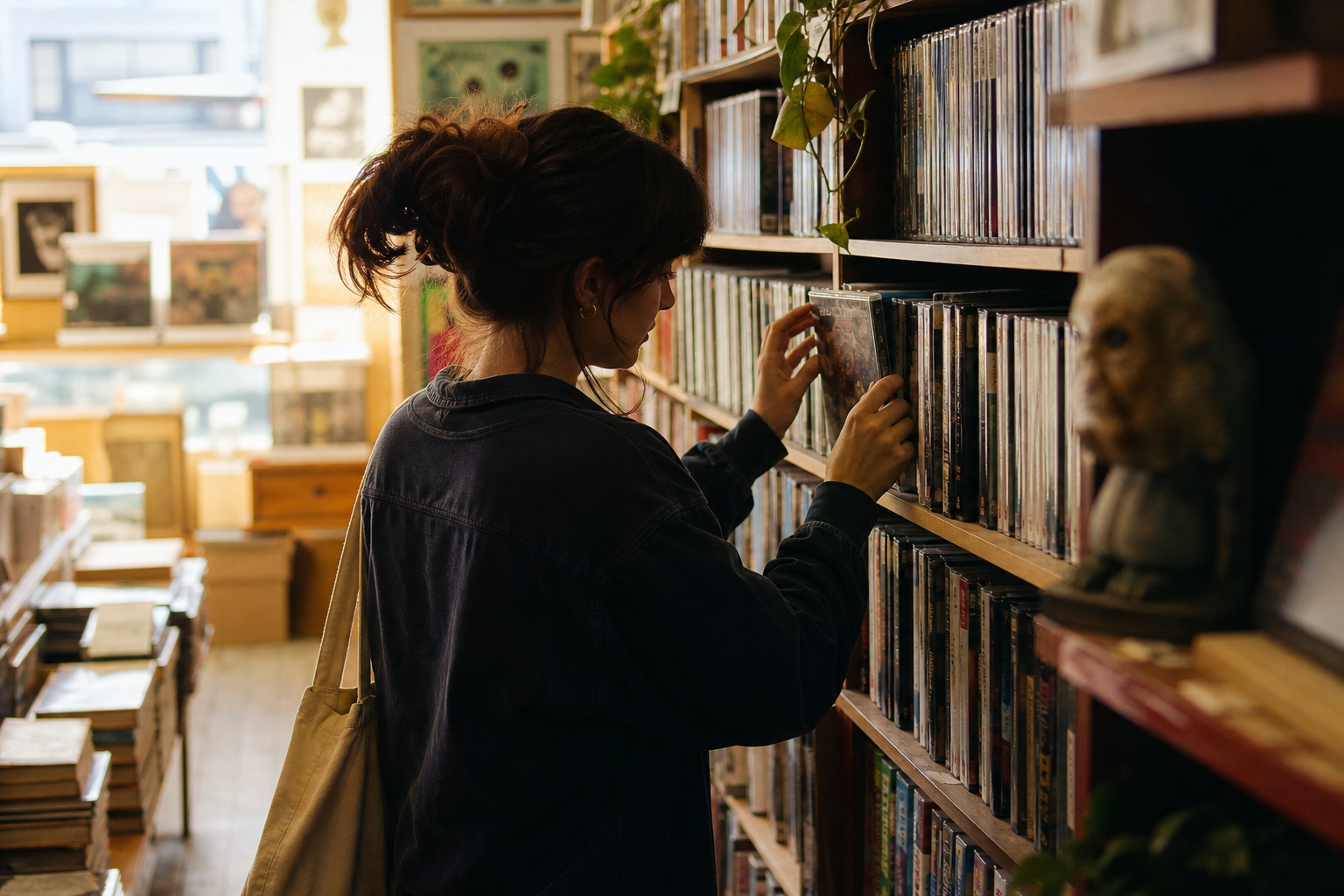
The return of physical media isn’t only nostalgia
The young shoppers browsing used record stores and buying old handheld games are often described as nostalgic, even when they are too young to remember the era being romanticized.
Something else is happening.
A physical object has edges. It can be wrapped, borrowed, sold, displayed, repaired or found again. It does not change its terms of service. Its imperfections become evidence that it has lived with you.
That appeal grows stronger as digital life becomes more conditional. A favorite show moves to another subscription. An app becomes a monthly fee. A smart device loses cloud support. A purchased title requires a login you cannot recover because the email address was from college.
People are not necessarily rejecting technology. They are looking for a few things that do not require a relationship with a platform.
The old object offers a quiet promise: if you can hold it, the company cannot easily edit the agreement after you leave the store.
What a careful buyer can actually do
There is no perfect defense against a platform changing its terms. Still, a few questions make digital purchases less mysterious.
Can the file be downloaded for permanent offline use? Does it contain digital rights management that requires authentication? What happens if the account closes? Can the item be backed up? Is the price close enough to physical media that a disc or book makes more sense? Is this something you want for a weekend or something you expect to keep for decades?
For software and games, preservation-friendly stores and DRM-free options provide more control. For irreplaceable family files, multiple backups matter more than any platform’s promise. For favorite movies, books or albums, a physical copy may be worth the inconvenience precisely because inconvenience is often another word for independence.
The answer does not have to be ideological. Rent some things. Stream others. Buy digital when the access is what you need. Keep physical copies of the handful that would genuinely hurt to lose.
Most important, treat an account library as access—not an archive.
We know what the button means now
The word “buy” once closed the question. You paid; the thing became yours.
Online, the same word often begins a much longer sentence: yours while the service operates, while the license remains valid, while the account can authenticate, while the publisher still has the rights, subject to terms you agreed to while trying to get back to the movie.
Clearer disclosures are useful. They may even change consumer behavior at the margins. But the larger shift has already happened. Ownership has become one option among subscriptions, rentals, licenses and access plans—and frequently the option companies are least interested in selling.
We don’t need to abandon digital libraries. We should stop mistaking their elegance for permanence.
A shelf is inconvenient. It gathers dust. It takes up a wall. It is also honest about what is there.
Your digital library looks infinite because you cannot see the doors. That doesn’t mean you have the keys.